Céu Executivo Notícias
Honeywell completes spin-off of aerospace division and debuts as an independent company
Honeywell Aerospace, which manufactures engines, avionics and systems for most of the world's executive jets, began operating as an independent company on the Nasdaq. The separation, completed on June 29, creates one of the largest publicly traded aerospace suppliers.
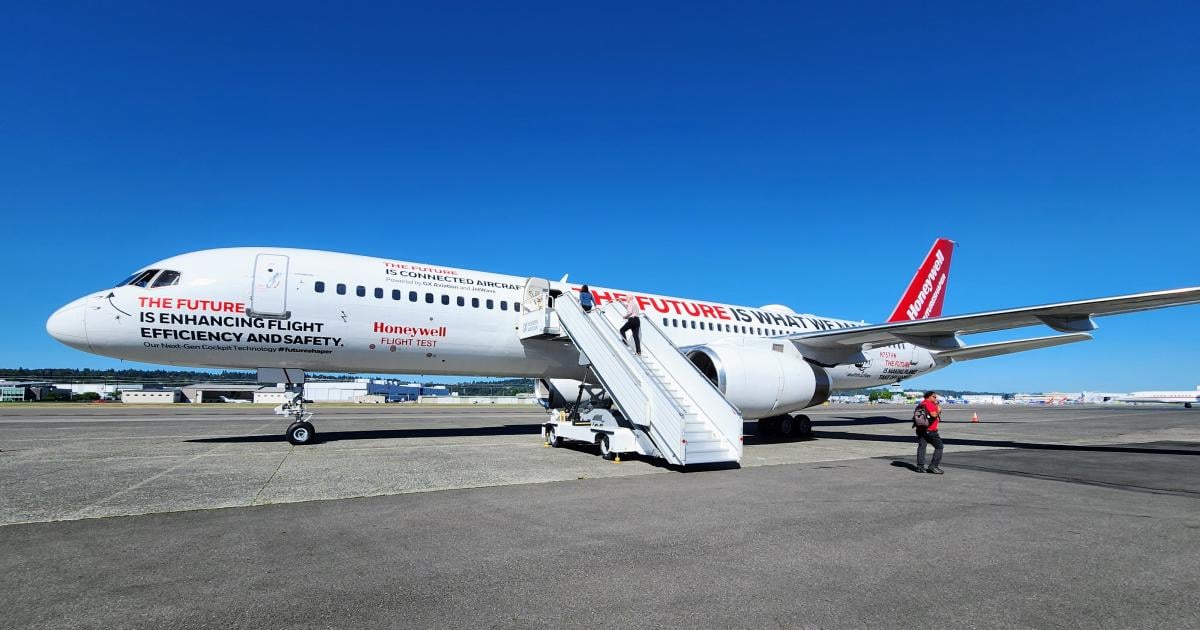
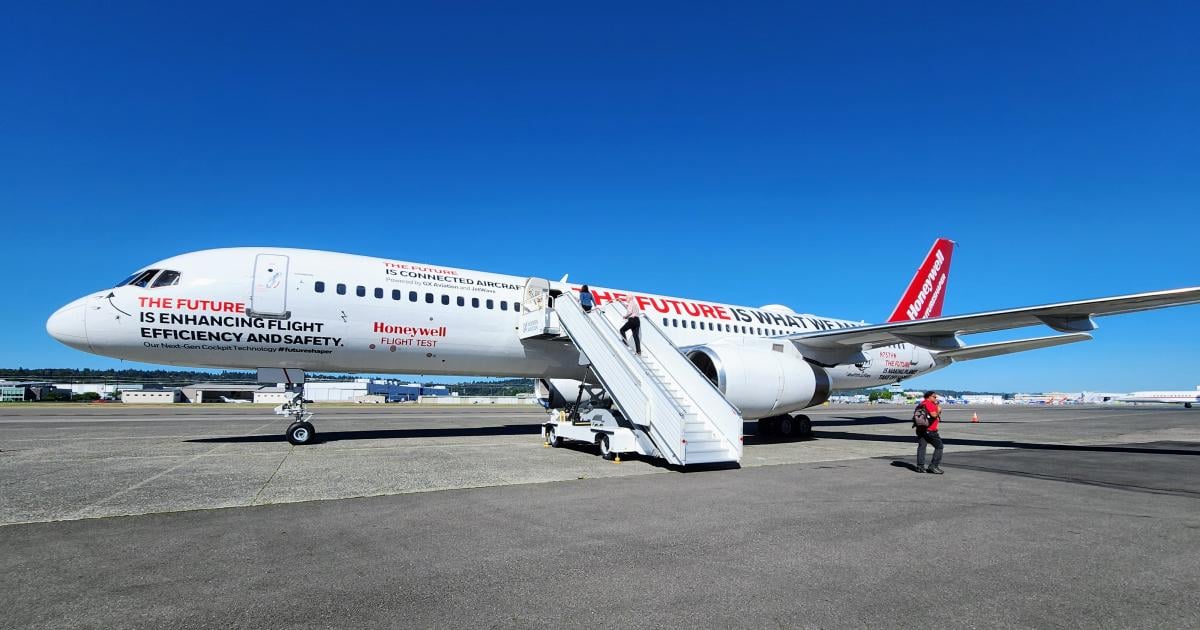
Honeywell concluded on June 29 the spin-off of its aerospace division, which began to operate as an independent company and listed on the Nasdaq. The new company, one of the largest publicly traded aerospace suppliers, concentrates propulsion, avionics and electrical systems for commercial, executive and military aircraft. Honeywell shareholders received one share of the new company for every two they already held.
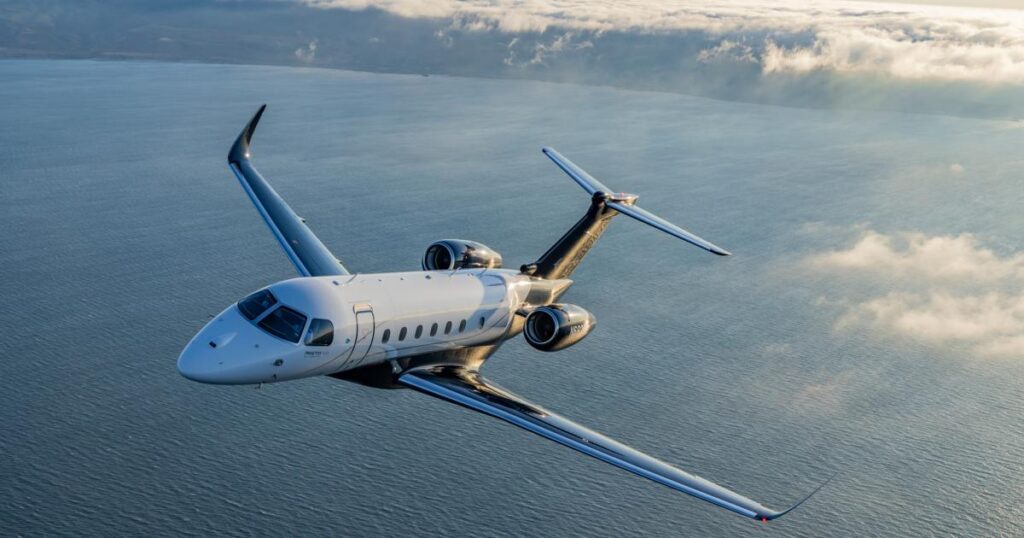
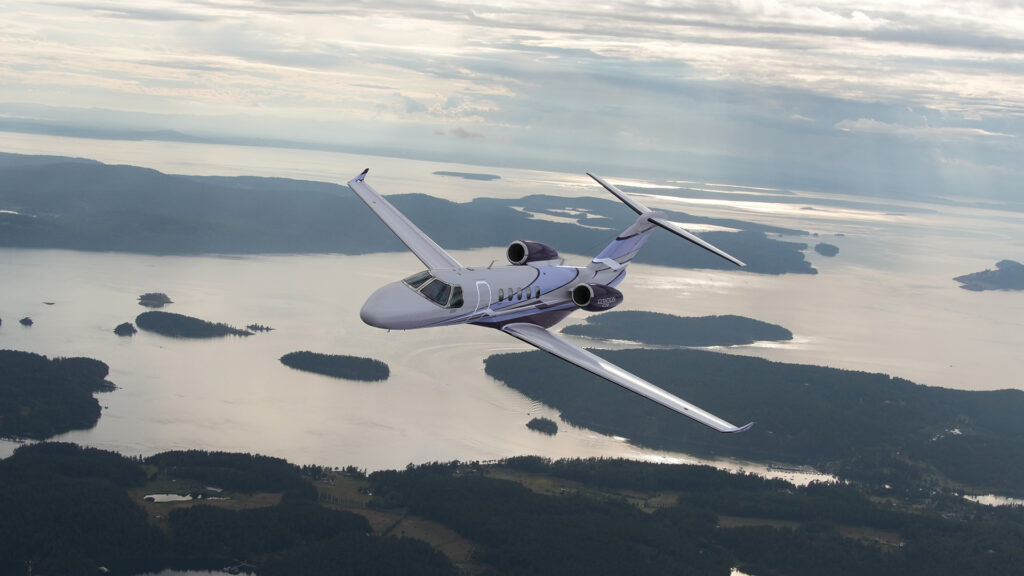
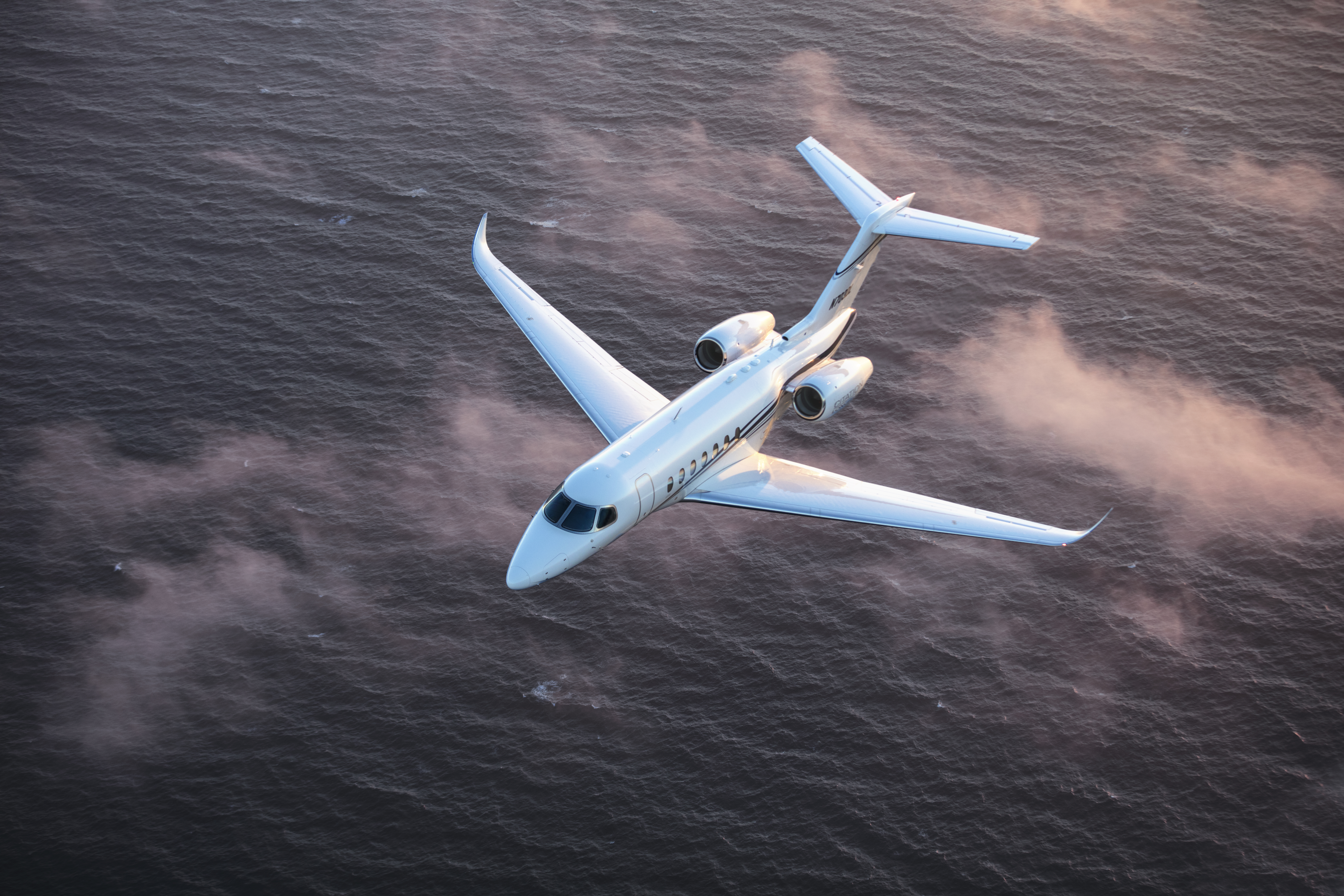
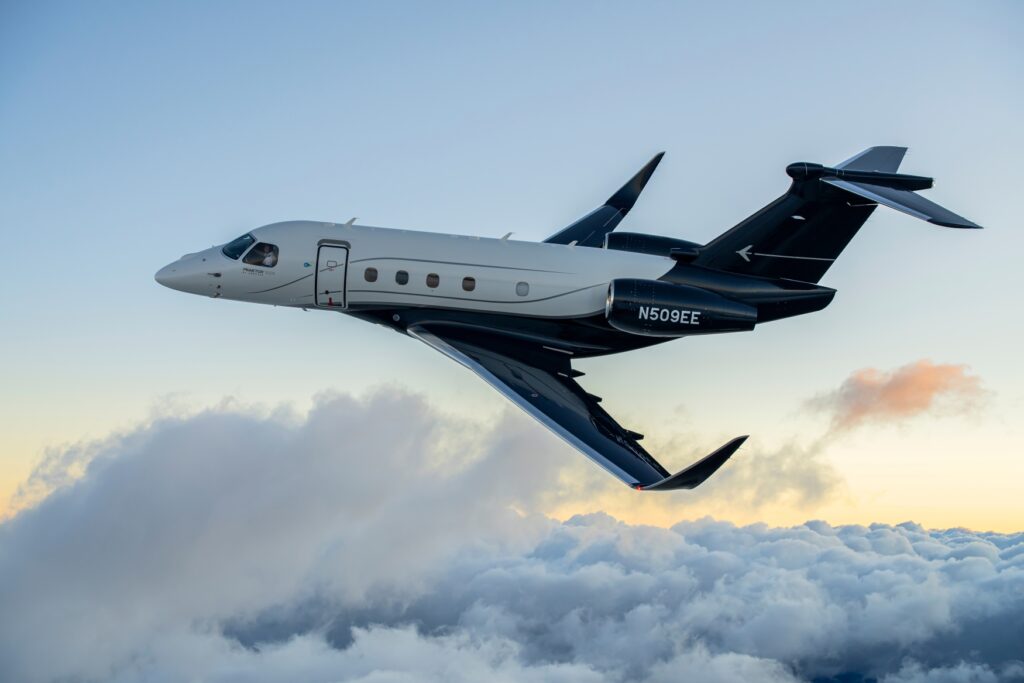
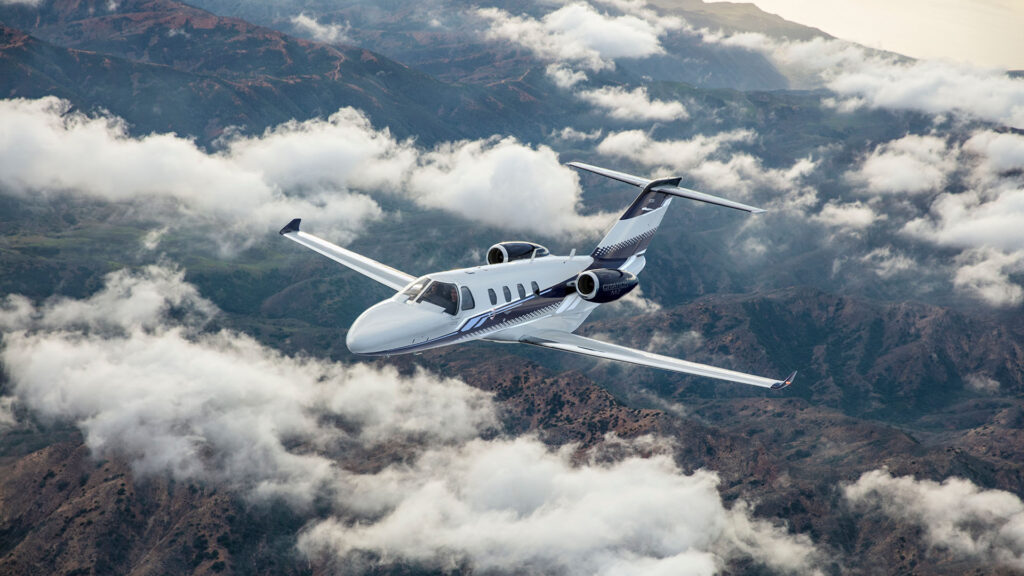
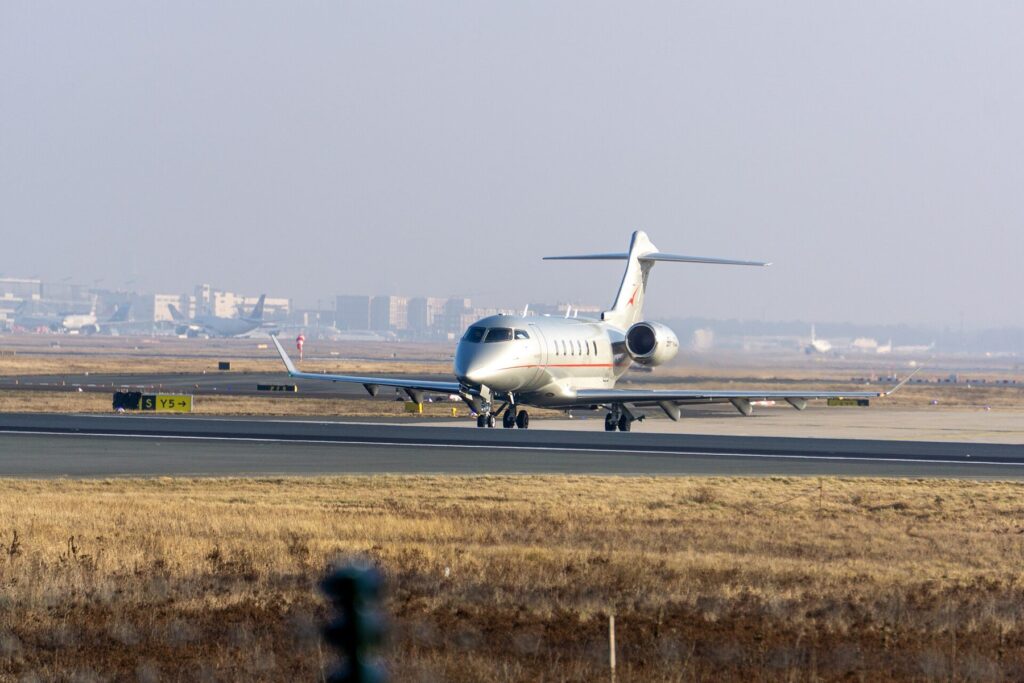
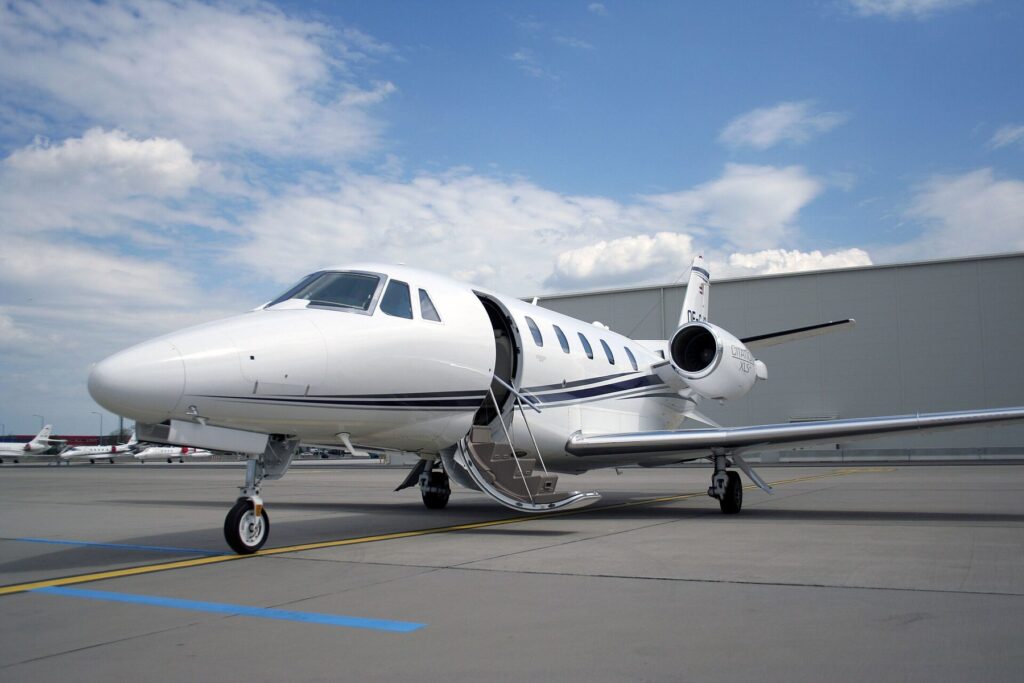
Movement matters more to business aviation than it seems at first glance. Honeywell is a supplier of central parts for many jets in the segment: the HTF engine family powers models such as the Bombardier Challenger, the Embraer Praetor and the Cessna Citation Longitude, and its avionics packages and auxiliary power units are present in a large part of the global executive fleet.
Separating the aerospace operation from an industrial conglomerate tends to give it more focus, investment autonomy and agility in product decisions. For a sector that depends on long development cycles and decades-long customer support, the existence of a dedicated supplier, with its own governance and capital, is a relevant structural factor.
For operators and owners, the practical effect appears over the medium term. The way the new company prioritizes maintenance, parts availability and avionics evolution directly influences the cost of ownership and resale value of the aircraft that depend on its systems — which is why it's worth monitoring how Honeywell Aerospace positions itself going forward.