Céu Executivo Notícias
Cockpit commonality reduces invisible costs in fleet management
In executive fleets with more than one type of aircraft, a common cockpit is not just a convenience for the pilot. It reduces training, simplifies scaling, reduces the adaptation curve and cuts part of the invisible cost that is usually left out of the initial acquisition comparison.
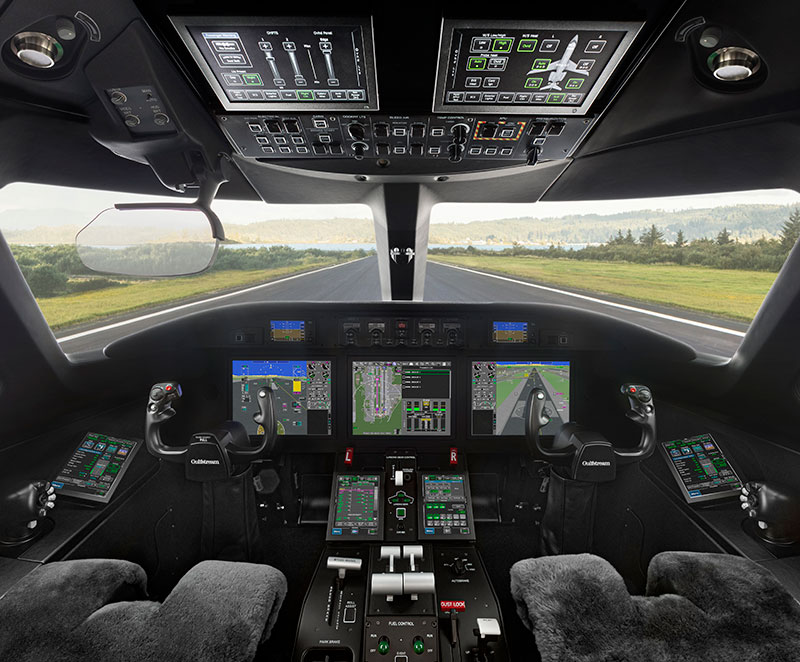
Cockpit commonality often appears as an elegant technical argument, but its most important effect is financial and operational. In fleets with more than one aircraft, or with the prospect of expansion, maintaining a similar cockpit philosophy reduces training, simplifies crew transition and reduces the daily complexity of the operation.
This invisible cost rarely appears on the first purchase sheet. However, it weighs. Large differences in interface, system logic and procedures require more hours of adaptation, increase dependence on certain pilots and make scale management less flexible. In leaner operations, this quickly becomes a bottleneck.
Standardization creates quiet efficiency
When the cockpit interacts well with the rest of the fleet, the company gains room to train better, move crew with less friction and reduce the risk of errors arising from an unfamiliar environment. It's not a flashy saving, but it tends to be recurring and cumulative over the years.
There is also an impact on planning. Training centers, recycling, documentation and operational culture are organized more fluidly when the fleet shares an interface backbone. This even helps with crew retention, who tend to operate more comfortably in standardized environments.
Actual earnings appear after delivery
That's why professional buyers have started to look at commonality more seriously. It doesn't increase range or change the cabin, but it reduces complexity at a point where many assets lose money without fanfare: the day-to-day management of the operation.
In the end, a common cockpit is worth less as engineering marketing and more as an instrument of operational discipline. And, in executive fleets, operational discipline often pays off more than it seems.