Céu Executivo Notícias
AERO 2026 leva 50 aeronaves de negócios a Friedrichshafen e confirma a volta da aviação executiva ao centro da feira europeia
Com 50 aeronaves de negócios, contra 30 no ano anterior, a AERO Friedrichshafen 2026 deixa claro que a aviação executiva voltou a ocupar espaço maior, mais visível e mais comercial dentro do principal encontro europeu de aviação geral.
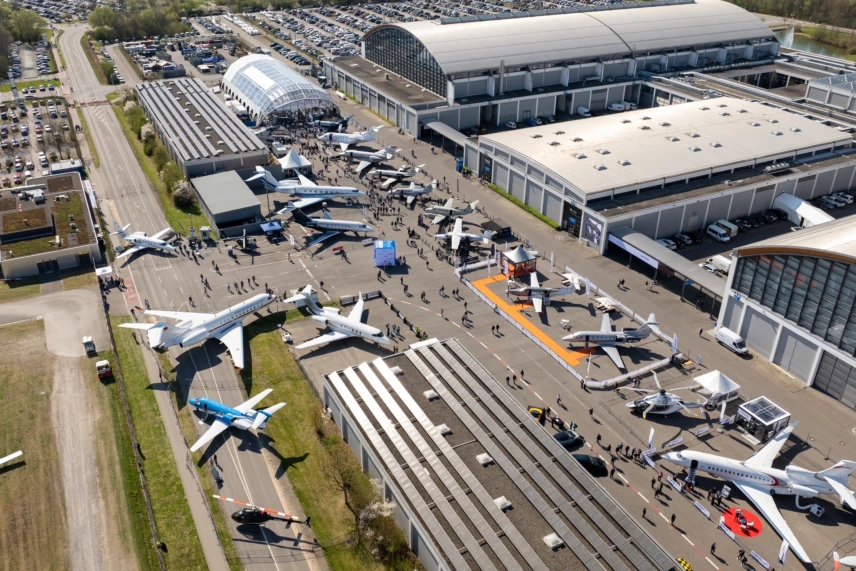
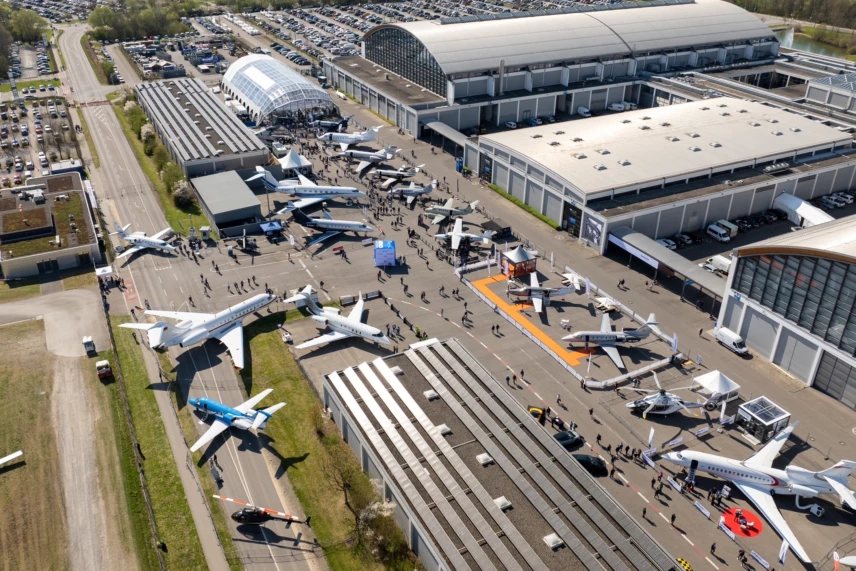
A AERO Friedrichshafen abriu a edição de 2026 com um número que resume bem o momento da aviação executiva na Europa: 50 aeronaves de negócios em exibição, contra 30 no ano anterior. O dado, divulgado pela organização em 16 de abril, pode ser lido como expansão de feira. Mas seria pouco. O que ele mostra de fato é que a business aviation voltou a ocupar um lugar maior, mais legítimo e mais disputado dentro de um dos ambientes mais importantes da aviação geral no continente.
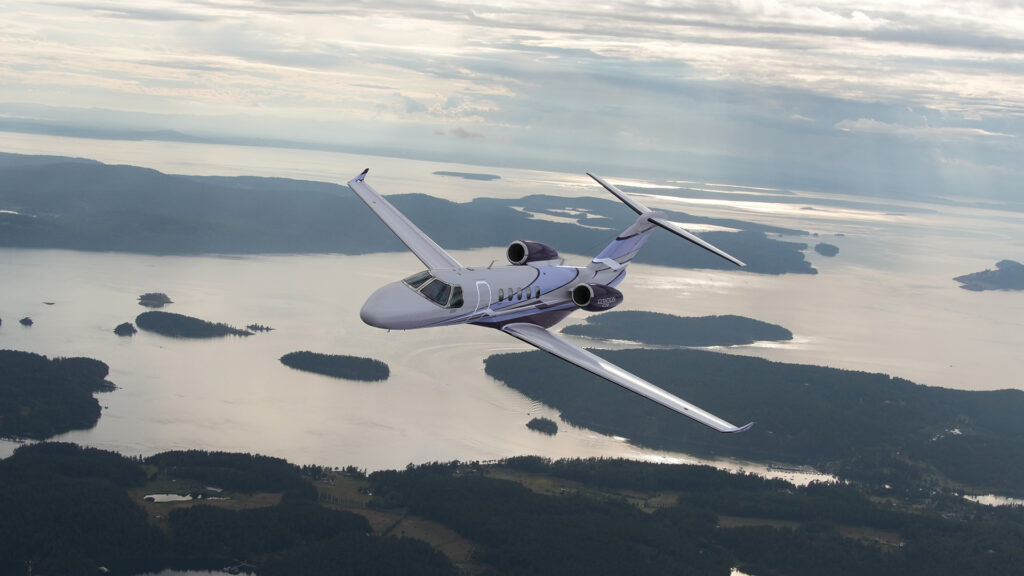
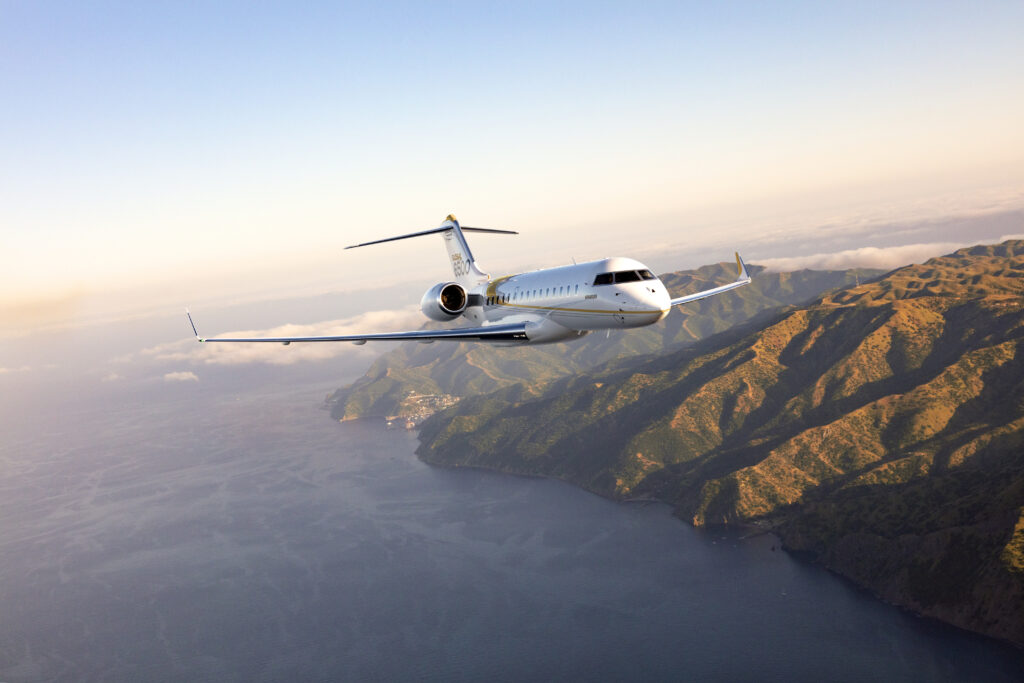
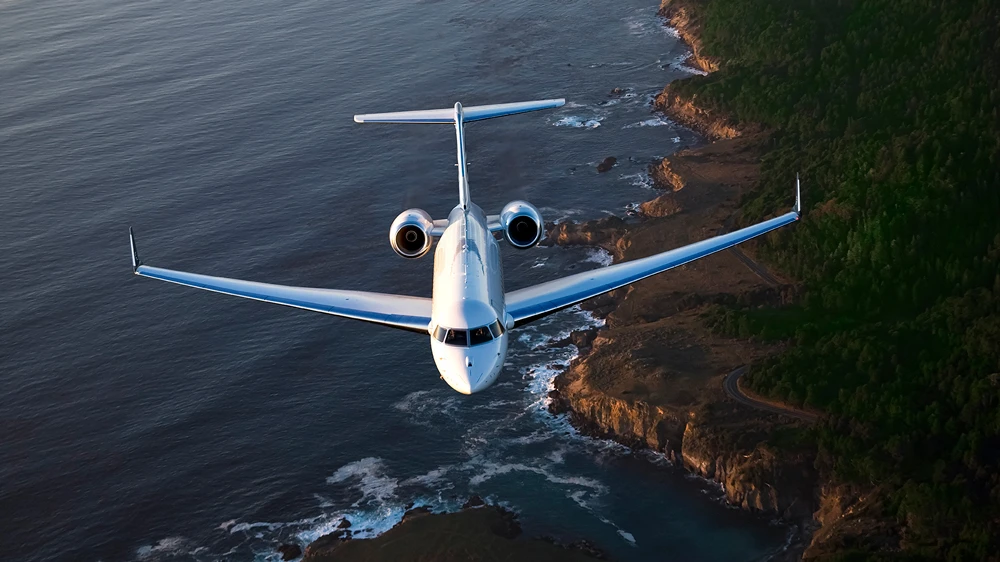
A lista de destaques ajuda a medir esse peso. A feira anunciou presença de modelos como Citation Ascend, Citation Longitude, Falcon 6X, Bombardier Global 6500, TBM 980, Kodiak 900, Piaggio P.180 Avanti Evo e Vision Jet Series 3, além de maior articulação entre fabricantes, brokers, operadores, associações e empresas de serviços. Não se trata apenas de mostrar aviões bonitos em solo. Trata-se de transformar a feira em ponto de encontro mais completo entre produto, venda, charter, financiamento, revenda e discussão operacional.
O espaço vendido mais cedo conta uma história
Talvez o sinal mais revelador tenha vindo do próprio uso do espaço. Segundo a organização, os slots de exposição estática já estavam vendidos ao fim de março, a área do Dome dobrou de ocupação e um novo pavilhão foi aberto para acomodar expositores. Quando uma feira precisa crescer fisicamente para dar conta da demanda da business aviation, o tema deixa de ser nicho ornamental e passa a ser força efetiva de atração comercial.
Isso importa porque a feira europeia não vive só de fabricantes. Ela serve também como termômetro de humor setorial. Se OEMs, brokers, dealers, provedores de treinamento, empresas de conectividade e operadores de charter aceitam investir mais presença ali, é porque enxergam tração suficiente para transformar visibilidade em negócio. Em mercados maduros, feira forte não é apenas celebração. É sintoma de disposição comercial.
Por que a Europa volta a importar mais nessa conversa
Nos últimos anos, muito do noticiário da aviação executiva ficou concentrado nos Estados Unidos, seja por entregas, backlog, conectividade ou novos programas. A AERO 2026 ajuda a corrigir esse desequilíbrio ao mostrar uma Europa mais ativa, mais aberta à expansão do charter e mais atenta ao valor de encontros presenciais como ambiente de decisão. Isso não significa ultrapassagem do mercado americano. Significa que a Europa voltou a aparecer com mais clareza como território vivo de demonstração, relacionamento e prospecção.
Há também um componente simbólico. Em momentos de transição tecnológica e reposicionamento de produto, ver aeronaves em solo, conversar com operadores e comparar cabines fora do ambiente digital continua tendo peso enorme. Nem tudo se resolve em release, render ou apresentação remota. Em uma compra de alto valor, presença física ainda ajuda a encurtar a distância entre curiosidade e intenção real.
O que essa feira diz sobre 2026
A organização informou ainda mais de 850 expositores de 50 países, além de programação ampliada para charter, mercado de seminovos, inovação e aviação feminina. O detalhe importante é que a business aviation não ficou isolada como canto de luxo dentro do evento. Ela foi integrada a uma conversa mais ampla sobre ecossistema. Essa integração é valiosa porque mostra a categoria menos como exceção glamourosa e mais como parte central da economia de mobilidade aérea de alto valor.
Para quem acompanha o setor, o recado é simples: quando a aviação executiva cresce em feira, ela cresce em relevância pública, em disputa por atenção e em maturidade comercial. E isso costuma anteceder uma fase em que produto, suporte, conectividade, charter e revenda passam a ser comparados com ainda mais rigor.