Céu Executivo Notícias
Pilatus invests $50 million in Colorado and shortens the distance between delivery, engineering and support in the US
With a new structure in Broomfield, announced on April 17, 2026, Pilatus brings delivery, customization, engineering and after-sales closer to the brand's main market and raises the maturity reading of the PC-12 and PC-24 ecosystem.
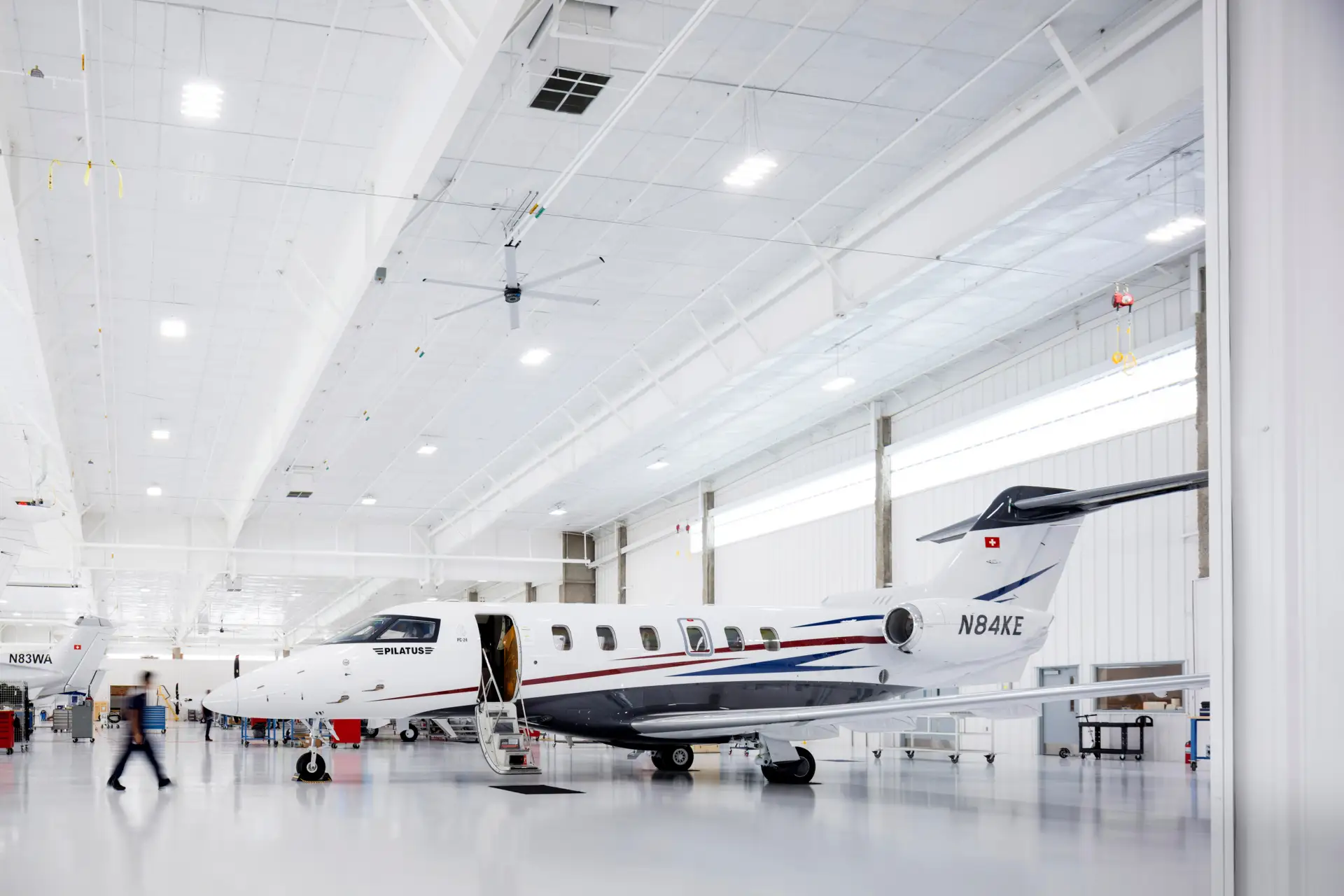
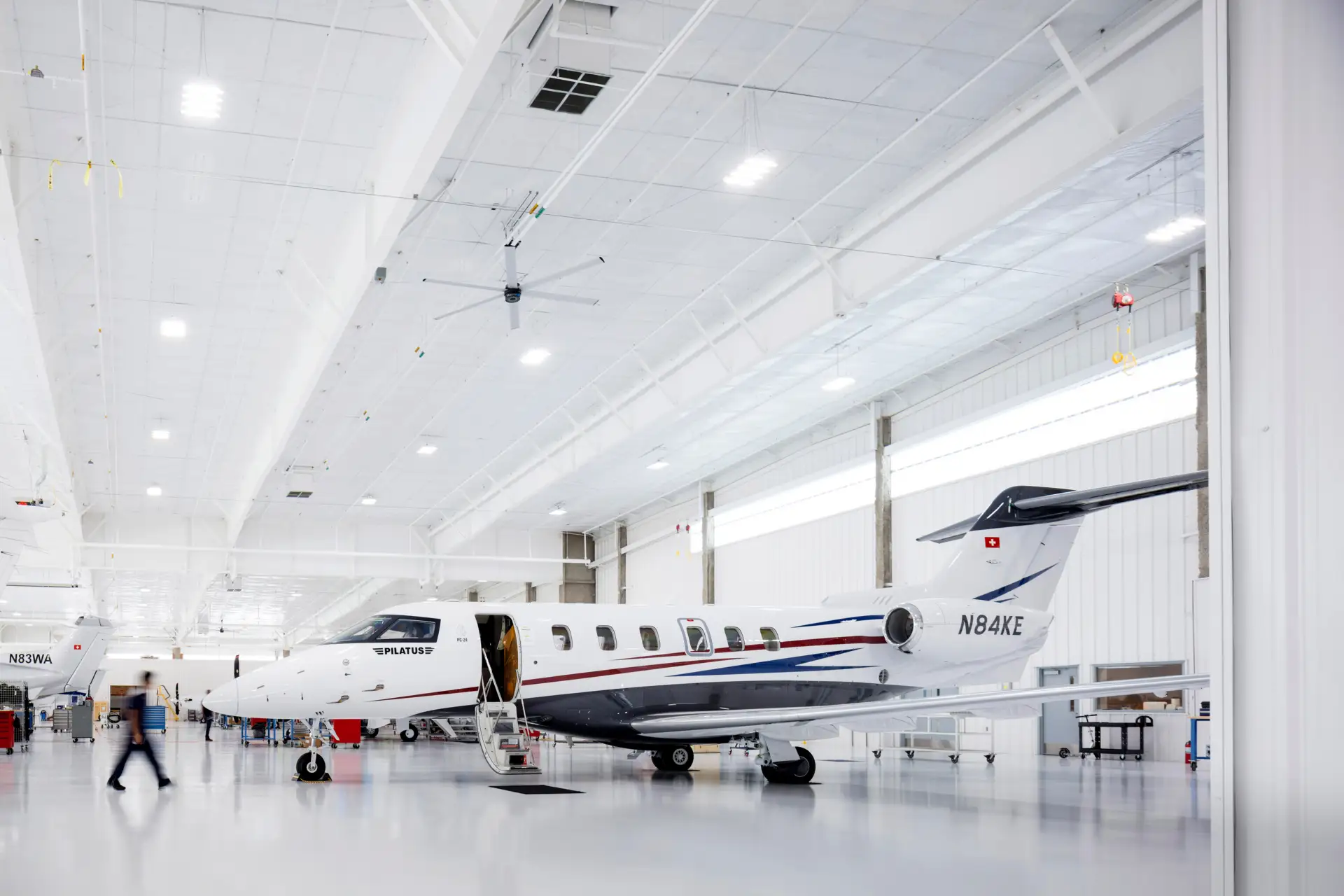
Pilatus marked the April 17, 2026 start of construction on a new facility at Rocky Mountain Metropolitan Airport in Broomfield, Colorado. The project will bring together a premium delivery center, expanded engineering and seat processing for the brand's growing fleet in the United States. The official statement gains strength because it does not just talk about square footage or real estate expansion. It involves a change in proximity to the customer in a market where delivery experience and support already weigh almost as much as the product itself.
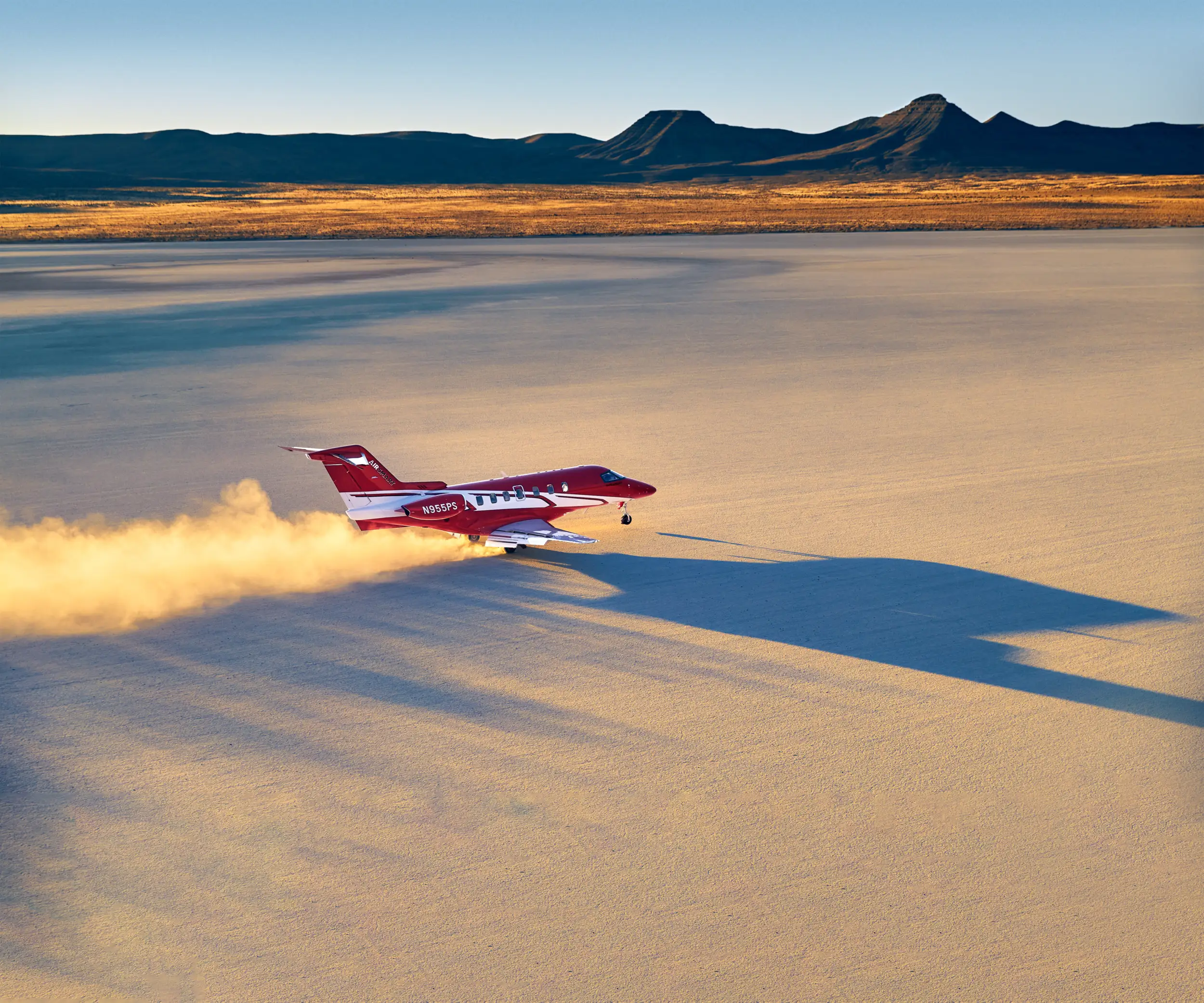
The announced investment is US$50 million and, according to the company, should create more than 50 new qualified jobs. In the new center, buyers will be able to configure and customize aircraft such as the PC-12 and PC-24 within an environment designed to transform delivery into an extension of the brand's premium proposition. This stage is often underestimated by those who look at the sector from the outside. But, at the top of the market, the way the aircraft reaches the customer helps to consolidate trust, perception of care and coherence between commercial promise and real experience.
Why the United States remains at the center of the strategy
Pilatus herself was direct in remembering that the United States is its most important market. This helps to understand why the company does not want to rely solely on product image or Swiss reputation. It wants local operational density. The stronger the American base, the more sense it makes to concentrate critical functions such as delivery, applied engineering and after-sales relationships there. In other words, Pilatus wants customer proximity to appear less as institutional discourse and more as concrete infrastructure.
This movement is also in line with another recent decision: since January 1, 2026, the manufacturer has consolidated its American subsidiaries into a single entity, Pilatus Aircraft USA Ltd, bringing together around 400 employees in different operations in the country. The work in Broomfield, therefore, does not appear in isolation. It is part of a larger, more coherent and more mature reorganization of the company's American arm.
What does this change for PC-12 and PC-24
In the case of the PC-12 and PC-24, the potential gain goes beyond the convenience of the delivery ceremony. When engineering and support are closer to the installed base, the buyer's risk reading tends to improve. Response time, communication with the factory, cabin adaptation and resolution of specific demands now seem less distant. This is especially valuable for the PC-24, which lives on the promise of versatility, and the PC-12, whose appeal depends largely on reliability in daily operation.
For the customer, this translates into a practical question: is the brand prepared to monitor the aircraft after signing? In demanding markets, this answer is worth more than an impeccable brochure. And Pilatus seems to have understood that, to continue growing without diluting its reputation, it needs to expand not only its commercial presence, but its real capacity to welcome the owner throughout the entire journey.
There is also a long-term message
The new facility was designed to achieve LEED Gold certification and incorporate photovoltaic panels. Alone, this layer does not change the value of the product. But it helps reinforce another message: growth and institutional image have started to go hand in hand. In an environment where business aviation companies need to justify investment, efficiency and responsibility with the same naturalness, this type of architectural choice starts to contribute to the brand narrative.
In the end, the news matters because it shows Pilatus is no longer just an admired manufacturer but also operates as an increasingly complete ecosystem in its main market. When delivery, engineering, customization and support start speaking the same language, the aircraft stops looking like just a good product. It starts to look like a safer purchase.