Céu Executivo Notícias
Cabin, connectivity and noise: what really changes the onboard experience
In the premium segment, the onboard experience is no longer defined solely by cabin width and finish. Noise level, connection quality and how the interior sustains useful hours of work or rest began to differentiate more concretely the value perceived by passengers and operators.
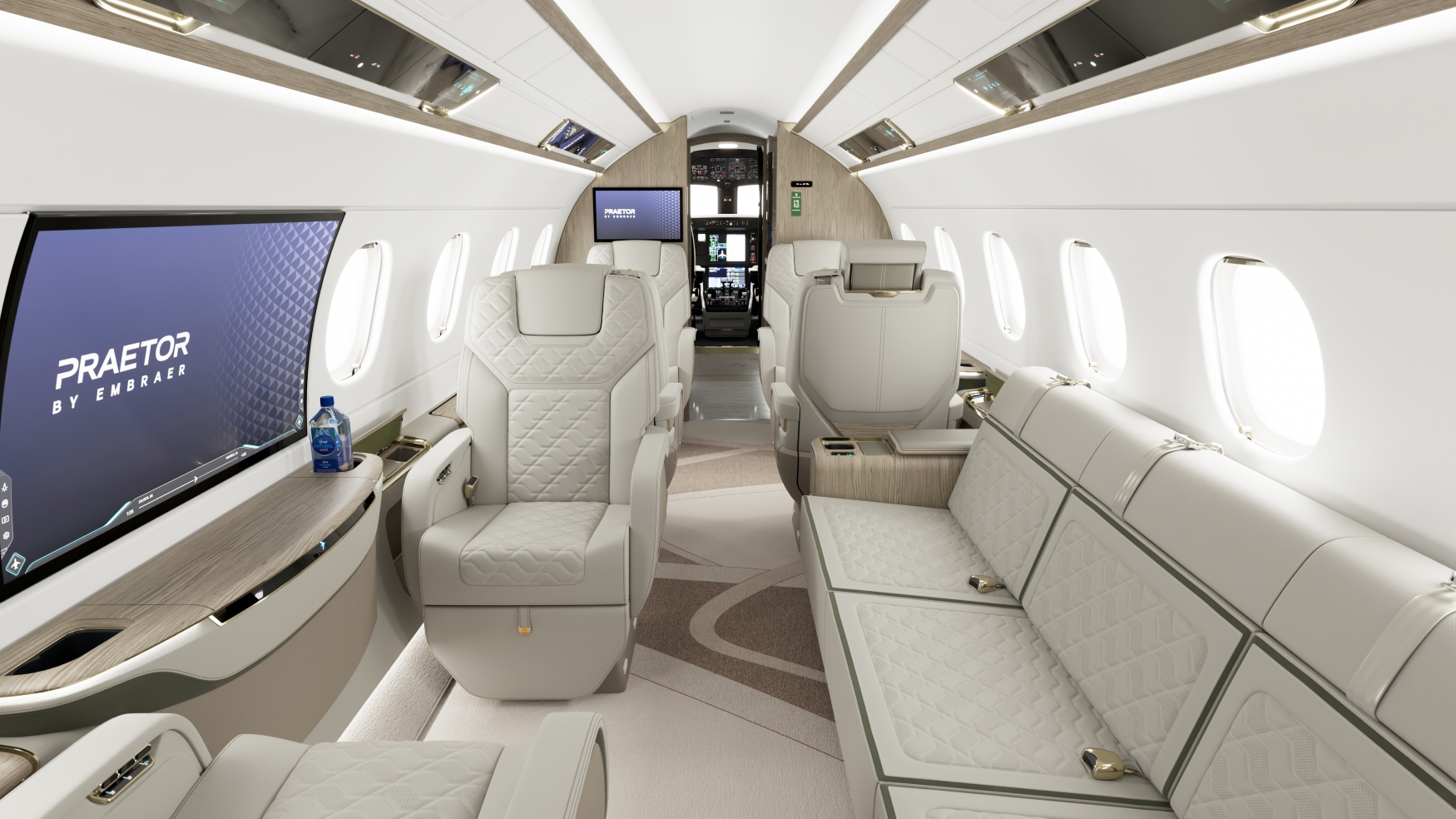
In high-class executive jets, the cabin no longer competes just for appearance. The premium passenger wants to work, make calls, rest, move around naturally and arrive less worn out. That's why three variables started to weigh more than the initial brilliance of the interior: noise level, functional connectivity and cabin design designed for real use, not just for launch photography.
Noise is the least glamorous factor and one of the most decisive. On flights lasting several hours, a quiet cabin reduces fatigue, improves conversations, facilitates video conferences and makes rest more viable. This is not about abstract luxury. It's about preserving passenger energy and increasing the usefulness of time on board.
Bad connection ages the plane quickly
Connectivity also changed categories. It stopped being a technological treat and became a basic expectation for those who board a corporate aircraft. When the internet fails, fluctuates or does not support simple productivity tasks, the perception of the plane's quality quickly drops, even if the cabin is excellent in terms of space and finish.
This also affects resale. A jet that left the factory well equipped, but without a digital architecture capable of keeping up with the evolution of use, may appear dated earlier than less flashy models, but more prepared for upgrades. In the premium market, technological aging usually appears before structural aging.
Experience is not born from the catalogue
There is also the interior design. Distance between seats, circulation, table ergonomics, lighting, quality of pressurization feel and access to luggage or lavatory determine how the cabin functions throughout a journey. A beautiful and impractical layout reveals itself quickly. A less theatrical, but well-resolved layout tends to maintain value for longer.
That's why the best experience on board is rarely the one that impresses in the first five minutes. It is the one that sustains hours of flight without excessive noise, without digital frustration and without minor discomforts that, together, change the perception of the asset. In an increasingly mature market, this difference weighs much more than it seems.