Céu Executivo Notícias
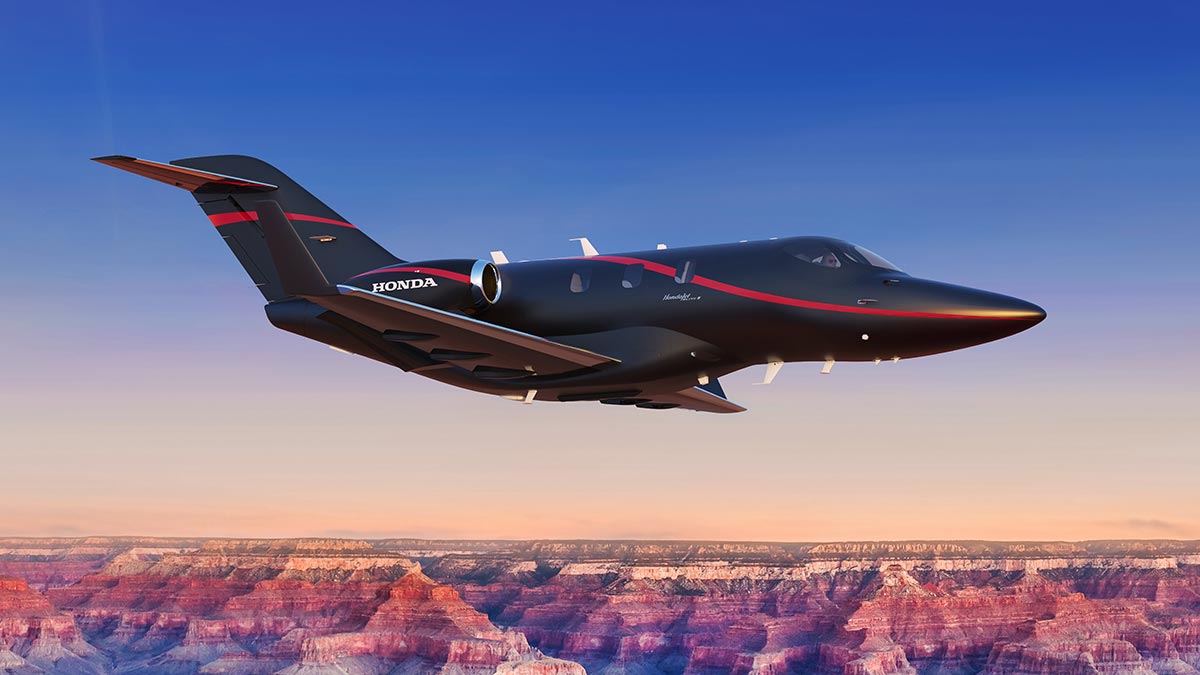
HondaJet Elite II receives Emergency Autoland and brings automatic emergency landing to the VLJ as standard
Honda Aircraft announced on February 4, 2026, in Greensboro, FAA Emergency Autoland certification for the HondaJet Elite II. According to the manufacturer, the model becomes the first production twin-engine very light business jet to offer the feature, increasing the importance of on-board safety in a segment traditionally sold for speed and efficiency.
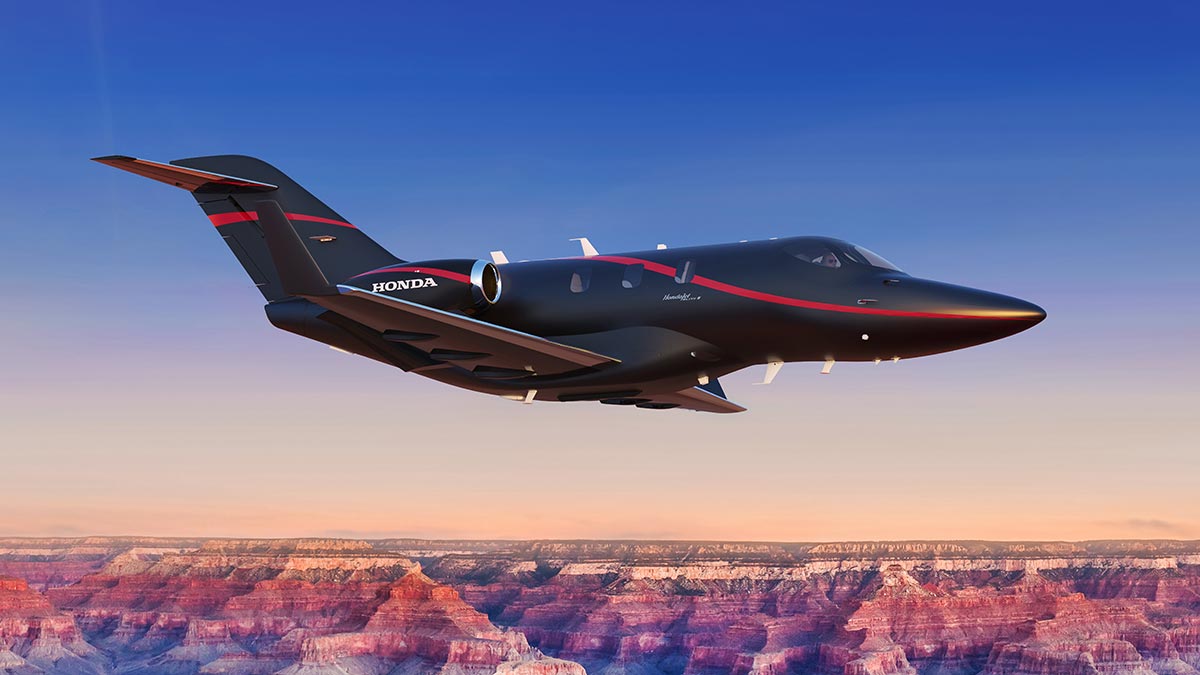
Honda Aircraft announced on February 4, 2026, in Greensboro, North Carolina, that the HondaJet Elite II has received Emergency Autoland certification from the FAA. With this, according to the manufacturer, the model becomes the first production twin-engine very light business jet to offer the feature, a relevant step because it brings to the VLJ segment a layer of safety automation that until recently seemed reserved for higher categories.
The system was designed for situations in which the pilot is incapacitated during the flight. It can be activated by a dedicated button or come into operation from automatic cabin monitoring when there are signs that the pilot is not responding adequately, changing the role of automation from a simple operational aid to a complete intervention in an emergency scenario.
What the system does in practice
Once activated, Emergency Autoland transmits emergency code, performs radio communications to alert air traffic control, assesses weather, terrain, available fuel and runway dimensions, selects a suitable airport, conducts the approach, lands and applies the brakes until a complete stop. In other words, it is not a partial assistance mode, but an integrated sequence to take the aircraft out of the air with the least possible risk when the pilot is no longer able to steer it.
The path to this approval did not start now. In October 2024, the HondaJet Elite II had already become the first twin-engine very light business jet to receive autothrottle, a technology directly related to the operation of Emergency Autoland. Certification flights for the new resource were completed in October 2025, preparing the ground for the approval announced in early 2026.
Security gains space in the commercial argument
The value of this certification goes beyond technical novelty. In a segment accustomed to highlighting speed, consumption, range and operating costs, Honda is now placing more emphasis on on-board safety as a central part of the Elite II proposal. This changes the commercial conversation because it adds a concrete layer of risk mitigation to an aircraft designed for agile operation and high aircraft autonomy.pilot.
The manufacturer also informed that it is seeking equivalent certifications in other markets, which indicates that the American approval should function as a platform for an international offer of the system. For a company that already had more than 250 HondaJets delivered globally by 2024, the Elite II's capacity expansion helps sustain value for the installed base and renew the model's appeal without relying solely on a new airframe.
The announcement also shows how the competition between very light jets is changing direction. More than just discussing pure performance, manufacturers are beginning to compete for space in software, automation and integration between critical flight systems. By bringing Emergency Autoland to a standard VLJ, Honda signals that, from now on, automated safety will also be part of the expected value package in this market.
Aeronaves citadas
Modelos mencionados nesta matéria para aprofundar comparações de cabine, autonomia e posicionamento no mercado.