Céu Executivo Notícias
Boeing receives first CST from ANAC and opens new front of engineering modifications in Brazil
The March 19 approval for modifications to GOL's 737 MAX signals advancement of local supplementary certification capacity and shortens the path for future projects.
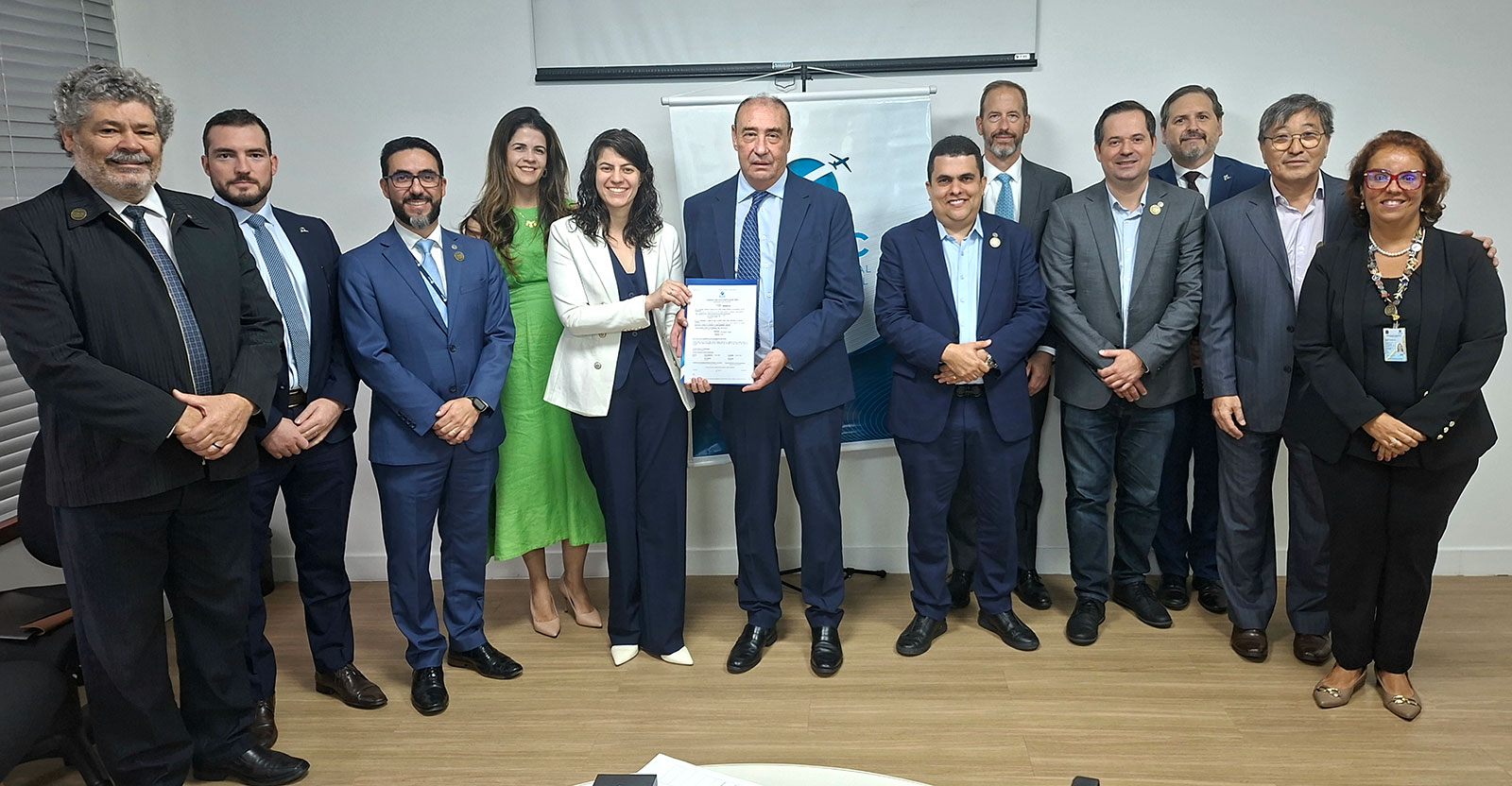
On March 19, 2026, Boeing Brasil announced the approval of its first Supplementary Type Certificate (CST) by ANAC. The authorization allowed the installation of a larger capacity drinking water system on a GOL 737 MAX. At first glance, it looks like a specific technical tweak. In practice, it is a process milestone: Brazil gains traction as an engineering environment capable of transforming operational needs into certified modifications with local regulatory supervision.
The strategic value of the movement lies in the precedent. When a company establishes the first CST in the country, it opens the way for new adaptations with less institutional friction, as long as it preserves documentary standards and technical traceability. This does not mean automatic approval for upcoming projects, but it reduces the learning curve between manufacturer, operator and regulator.
What changes in the operator routine
In the statement, Boeing, ANAC and GOL highlighted gains in speed and less operational interference. This point is central to any high-use airline operation: modifications that come with a clearer regulatory route tend to reduce aircraft time out of service and the indirect cost of unavailability. In agenda-pressured markets, this is almost as relevant as the technical benefit of the change itself.
In addition, Boeing itself mentioned the possibility of future validations by FAA and EASA. If this path advances, projects designed with engineering in Brazil could gain international acceptance. For the local ecosystem, this improves perception of competence and expands the potential for new applied engineering services.
Reading for business aviation
Although the announced case concerns commercial aviation, the indirect effect on the executive segment is relevant. Owners and operators of business jets increasingly face demands for retrofit, connectivity, cabin, operational performance and compliance. A regulatory environment that evolves into local supplementary certification tends to benefit the entire chain of aeronautical modifications in the country.
In terms of decision-making, the episode reinforces a criterion that is often underestimated: in addition to the aircraft, what matters is the depth of the technical and regulatory infrastructure available in the market in which it operates. In 2026, this capacity begins to weigh more heavily on risk assessment, response time and residual value of aeronautical assets.
Aeronaves citadas
Modelos mencionados nesta matéria para aprofundar comparações de cabine, autonomia e posicionamento no mercado.