Céu Executivo Notícias
TR-3 shows how software became an inseparable part of the aircraft
The debate surrounding the TR-3 helps explain a broader industry transformation: modern aircraft can no longer be treated simply as flying hardware. Software started to define capacity, schedule, update and even perception of product maturity.
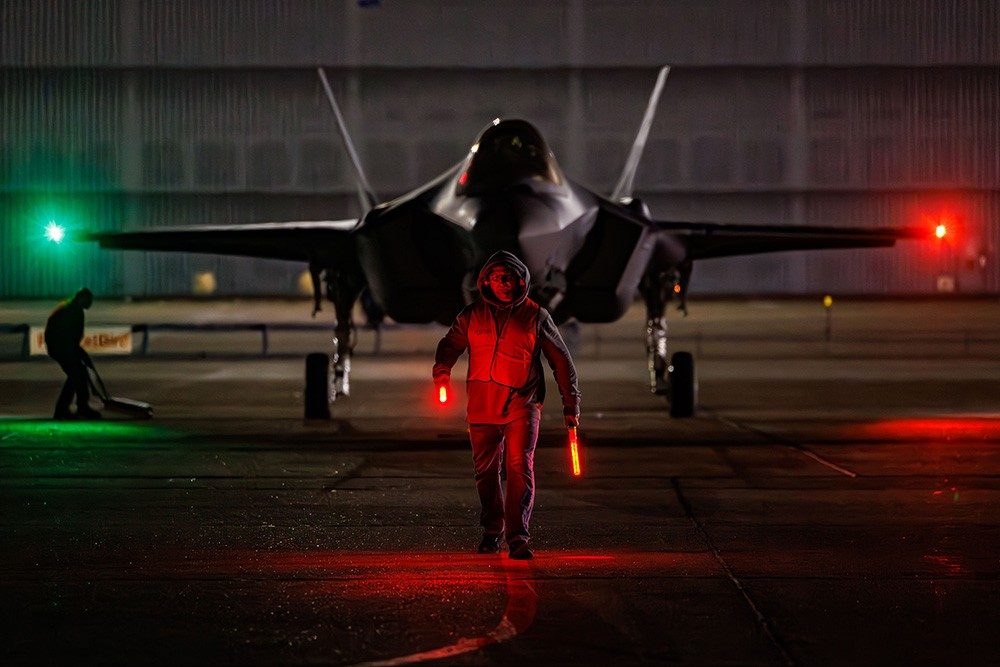
The case of the TR-3 helps to show something that is valid far beyond the military universe: software has become an inseparable part of the aircraft. On modern platforms, the aircraft's capabilities are no longer entirely embedded in the structure, engine and sensors. An increasing share of value and functionality depends on code, integration, and systems stability.
This changes the very notion of readiness. An aircraft can be physically ready and still not be completely ready as an operational product if the software that underpins it is not mature enough. The market, the air forces and the industry are learning to live with this new reality.
Program without mature software became incomplete program
TR-3 draws attention precisely because it makes this dependence explicit. Software updates are no longer incremental details. It interferes with schedule, acceptance, delivery and risk perception. When there is a delay or adjustment, the discussion quickly spills over from engineering to industrial policy and customer trust.
This logic also resonates in the premium civilian world. Executive jets that are increasingly connected and automated undergo the same type of charges, albeit on a different scale. The buyer wants to understand not only the cabin and performance, but how the plane's software will be updated, maintained and protected over time.
Excellent hardware is no longer enough on its own
TR-3, therefore, serves as a mirror of a structural trend. The modern aircraft is a platform where hardware and software have become inseparable for value creation. When one of them is late, the entire product feels it.
Therefore, following this type of evolution is interesting even to those who look at the executive market. It clearly shows why the industry started to treat software not as an accessory to the plane, but as part of the plane itself.
Mais notícias
Uma seleção editorial para aprofundar tendências, certificações, defesa aérea e movimentações do mercado executivo.