Céu Executivo Notícias
Praetor 600 versus Challenger 3500: where the decision really changes
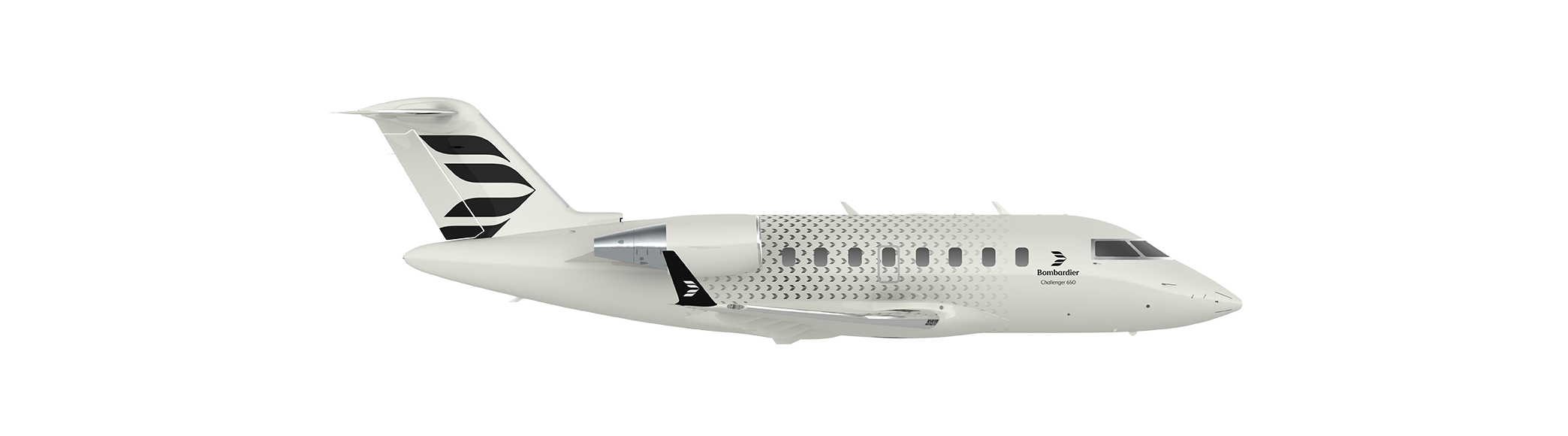
Praetor 600 and Challenger 3500 are on the same shortlist because they deliver a mature cabin, serious corporate operation and sufficient range for most of the category's premium missions. The choice, however, tends to change less in the isolated technical sheet and more in the route profile, the support network, the downtime cost and what the buyer hopes to preserve in use and resale value.
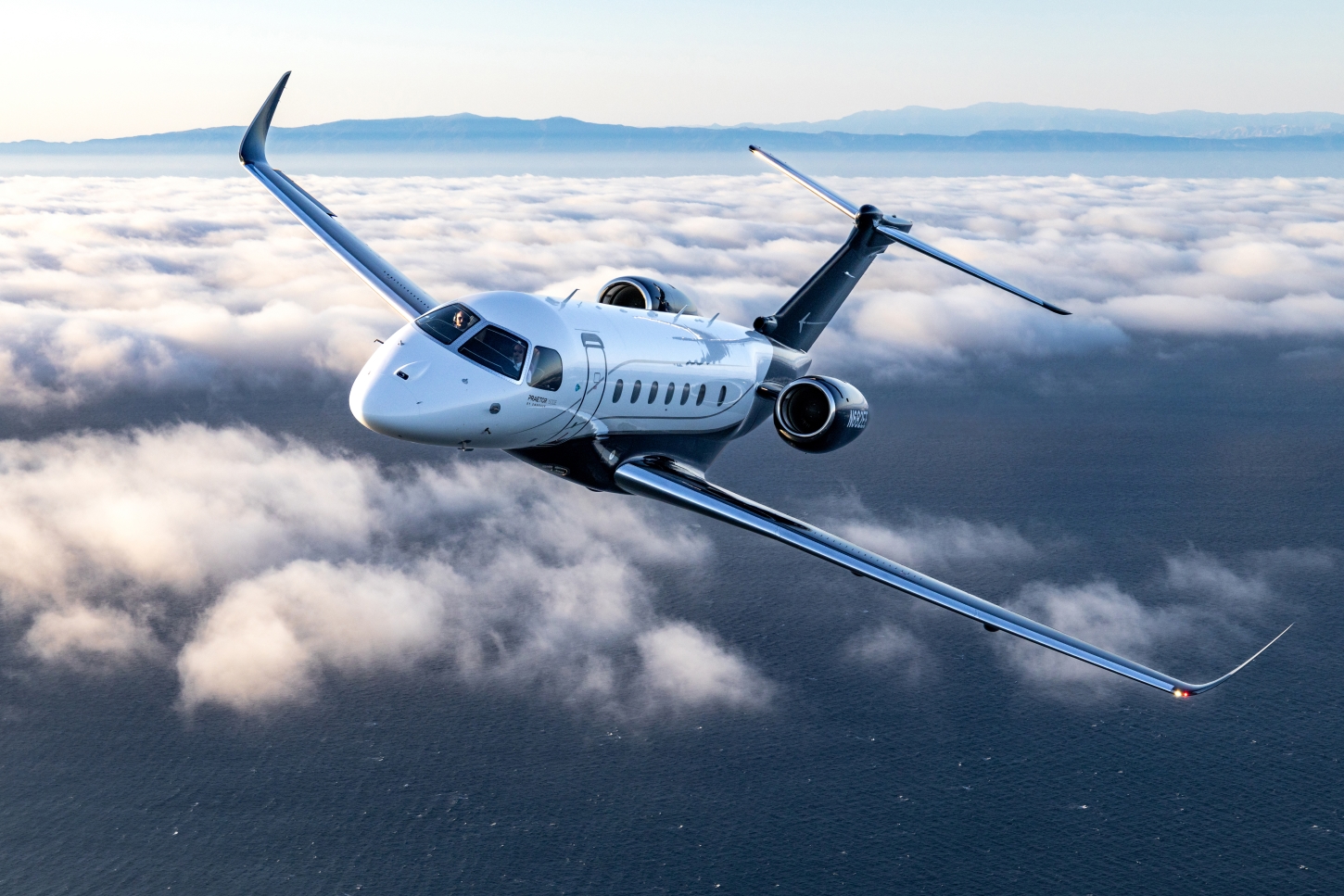
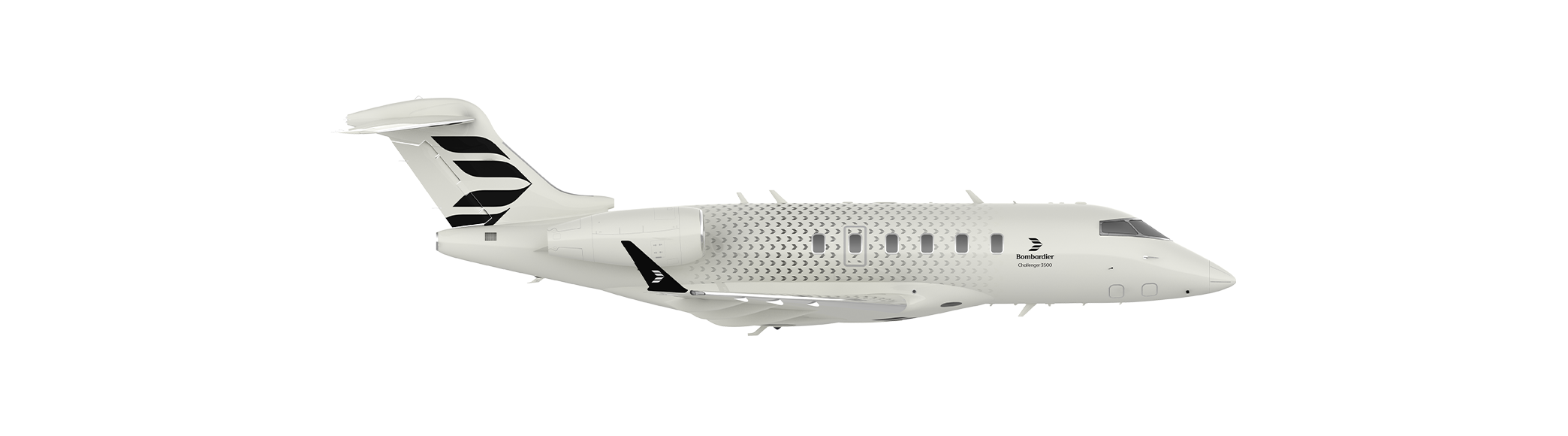
Praetor 600 and Challenger 3500 tend to appear on the same list because they speak to the same buyer: corporate operator, family office, high-end charterer or owner who wants to upgrade to a super midsize without going into the structural cost of a large cabin. Both offer a true executive-level cabin, autonomy for relevant international missions, useful luggage space, connectivity and platform maturity. The similarity ends there.
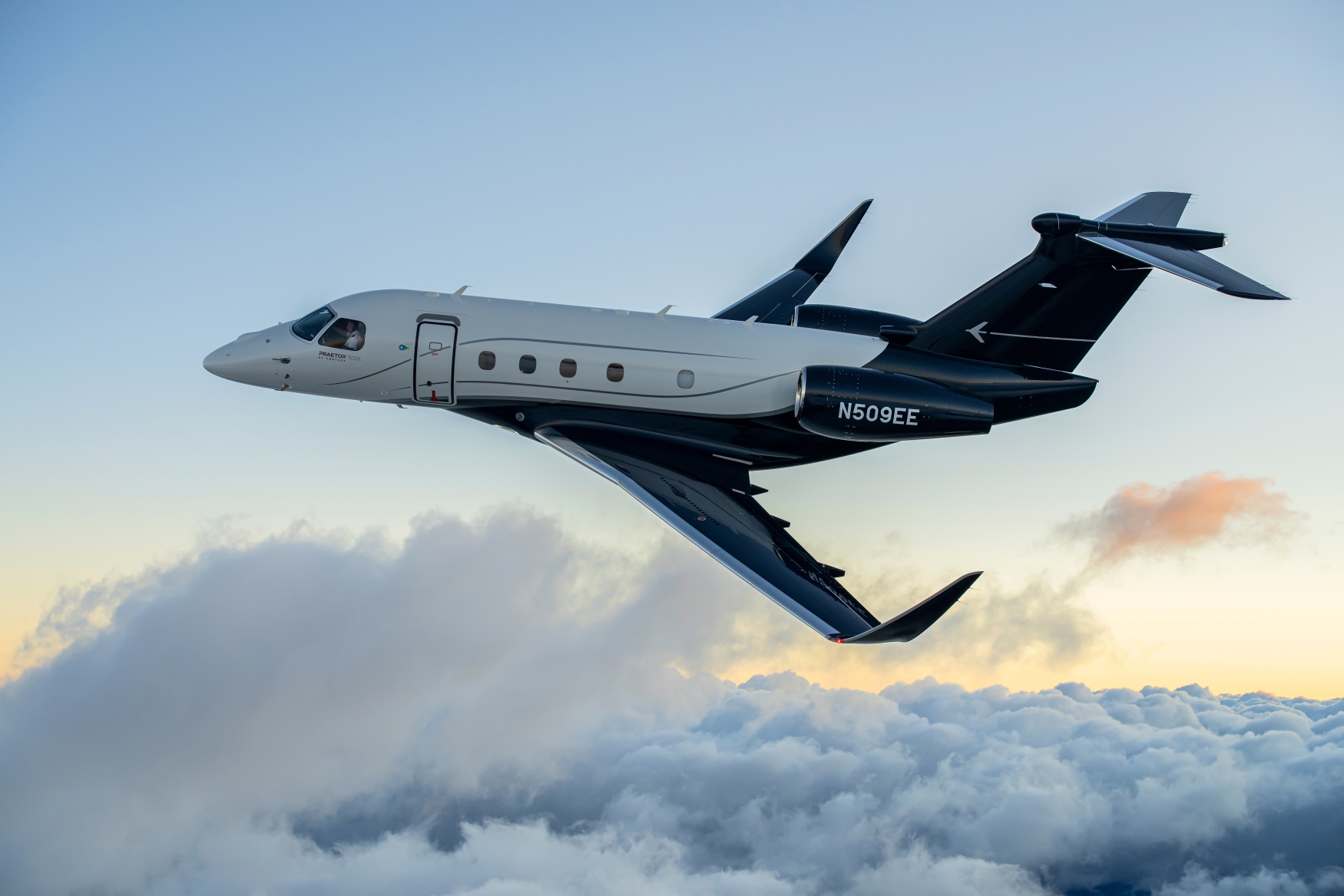
The Praetor 600 pushes the decision toward range and mission flexibility. It is the plane that generally attracts those who want to extract more stages without changing categories, especially on routes where wind, alternating and reserve are already starting to take a toll. The Challenger 3500, in turn, tends to gain strength when the priority is a very consolidated cabin, a platform with an extensive operational history, an intense pace of use and a more “mainstream premium” product perception in the corporate universe.
The cutoff point is the mission, not the ad
In practice, the first useful question is not which flies further on paper, but which mission dominates the operator's agenda. If the operation requires routes such as Brazil-Caribbean, Brazil-southern United States or transcontinental connections with a greater margin for bad days, the Praetor 600 tends to have an advantage. If the majority of usage is on long domestic legs, North America, frequent corporate shuttle or high repeat charter, the Challenger 3500 often appears as a more rounded solution.
This is because nominal range and useful range are rarely the same thing. When passengers, luggage, headwind, hot runway, more distant alternation and time commitment come into play, the difference between “do it in the folder” and “do it without operational tension” becomes worth a lot. It is at this point that many decisions change direction.
Cabin weighs differently
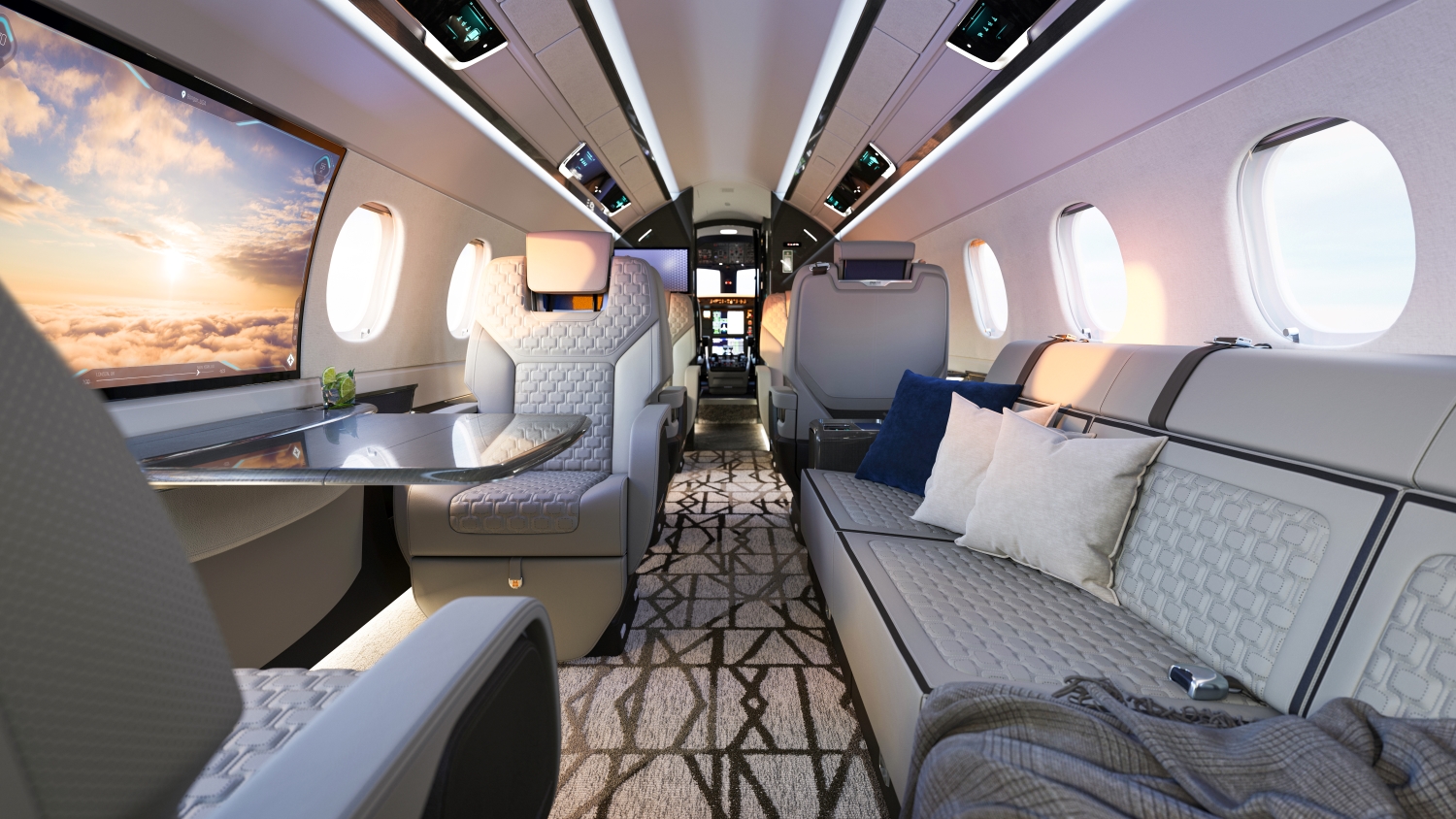
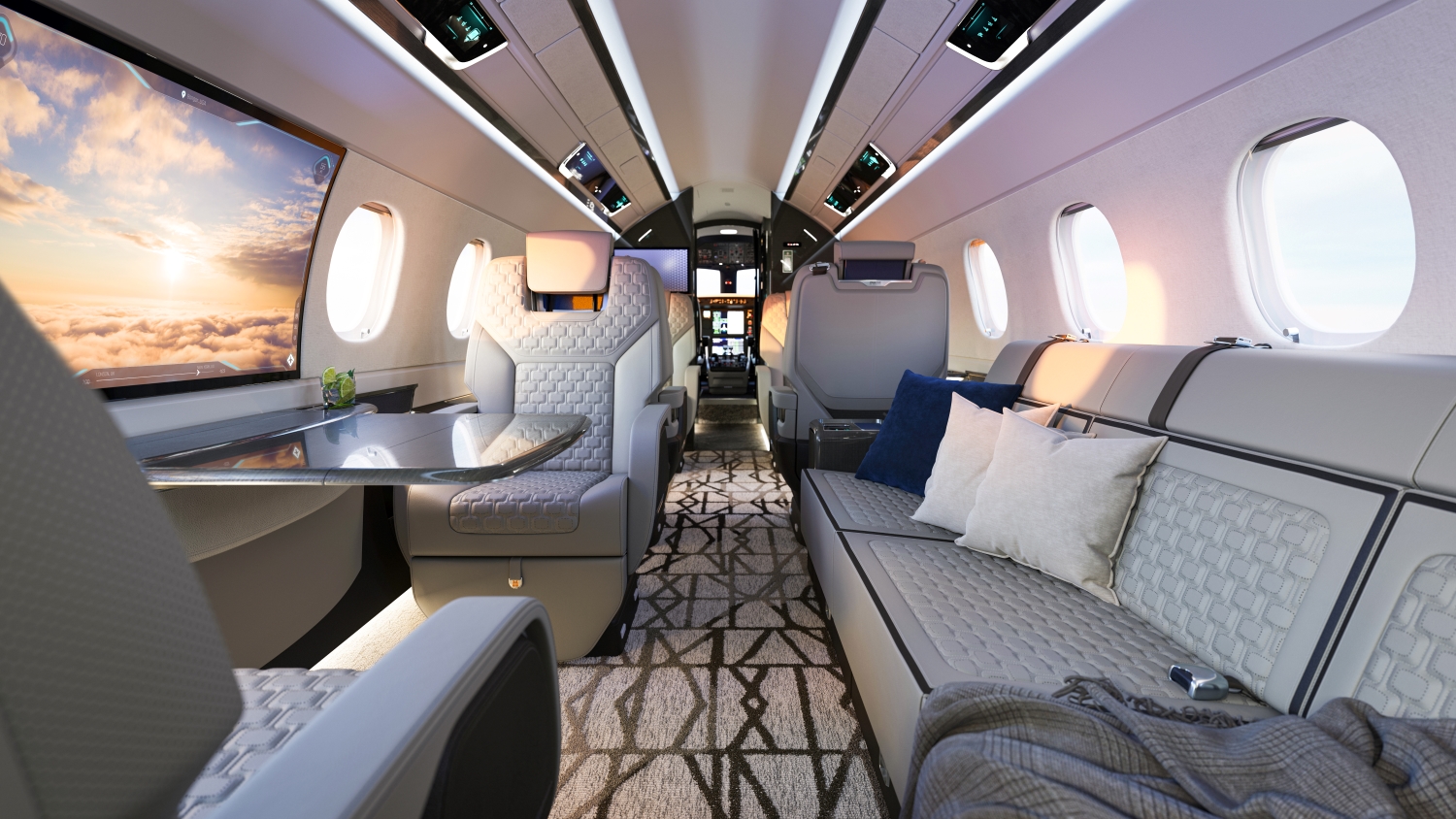
In the Challenger 3500, the cabin tends to convince with the comfort perceived during continued use: a large section for the category, easy circulation, accessible luggage compartment in flight and an environment that is very popular with the American market for corporate and fractional operations. It's an airplane that sells well the idea of productivity and comfort without conceptual exaggeration.
The Praetor 600 responds with a very competitive cabin and with arguments that go beyond finishing, such as good cabin height, a feeling of modernity and a strong technological package. For some buyers, the decision will not be about which cabin is “better” but about which one best meets the mission standard: more hours at a time with fewer layovers or more frequency flying with a consistent experience for recurring business groups.
Support and downtime are worth more than they seem
The comparison gets really serious when it leaves the show room and enters after-sales. An aircraft that spends days waiting for a maintenance slot, technician, part or response from AOG quickly destroys value, especially in corporate or charter operations. Therefore, support is not an administrative detail: it defines availability, schedule predictability and indirect costs.
Bombardier is strong at this point due to the historical weight of the Challenger family, the installed base and the perception of a mature network in central markets, especially in North America. Embraer has strengthened its own structure and expanded capacity in the United States, which greatly improves the Praetor's attractiveness, especially for operators in the Americas. The practical question here is simple: where will the plane fly most, where will it be kept, and who solves the problem at two in the morning when the mission can't wait.
Training, resale and buyer profile
Training also shifts the decision. Operators who are already integrated into a particular product family, training center, cabin philosophy and support relationship tend to capture real efficiencies by remaining in the same ecosystem. Changing manufacturers sometimes improves the mission, but can increase the adaptation curve, crew logistics and standardization costs.
In resale, the weight of the installed base and market familiarity tends to favor platforms with wide circulation and predictable liquidity. This does not mean automatic defeat for the competitor, but it changes the exit calculation. Those who buy with five to seven years in mind need to look not only at the entry price, but at the ease of repositioning the asset when it comes time to renew the fleet.
In the end, Praetor 600 and Challenger 3500 are not separated by marketing, but by vocation. The Praetor tends to win when useful range changes the mission. The Challenger tends to win when cabin, operational familiarity and consolidated ecosystem weigh more. The best decision is usually born less from passion for the aircraft and more from an honest route map, tolerable downtime and exit strategy.
Mais notícias
Uma seleção editorial para aprofundar tendências, certificações, defesa aérea e movimentações do mercado executivo.
Aeronaves citadas
Modelos mencionados nesta matéria para aprofundar comparações de cabine, autonomia e posicionamento no mercado.