Céu Executivo Notícias
What military innovation anticipates for business aviation
A relevant part of what seems advanced in business aviation today began in defense. Automation, sensor integration, embedded software, secure connectivity and mission management often mature in the military world before finding broader civilian applications.
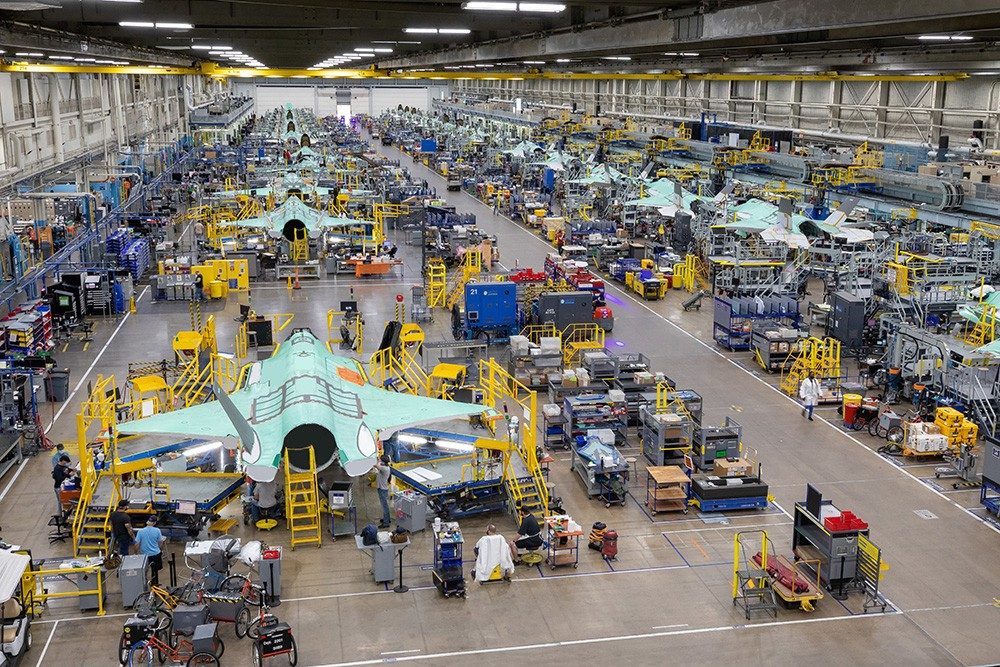
The distance between military and business aviation seems large when seen from the passenger cabin, but it decreases significantly when it comes to technology. On many fronts, defense functions as an anticipation laboratory for solutions that later become viable, useful or desirable in premium civil aviation. This goes less for weapons, obviously, and more for digital architecture, systems integration, automation and mission logic.
Historically, the military environment pushes innovation because it accepts high costs and seeks operational advantage in complex scenarios. This is where situational awareness capabilities, data fusion, robust communications, mission software and ways to reduce pilot workload mature. When these technologies drop in cost and find civil application, they tend to appear first in the more sophisticated segments of the executive market.
The cockpit is a good example
Much of what is sold today as productivity and safety in business jets comes from the same ambition: to make the pilot make better decisions with more information and less fatigue. Integrated screens, function automation, advanced monitoring, more intelligent route planning and risk-anticipating systems benefit from reasoning that has long been central to defense.
The same goes for maintenance. Military models pressure industry to treat availability as a complete system, with data collection, software, logistics and predictive support. When this mentality reaches bizav, it changes the expected after-sales standard and reinforces the idea that the plane does not end with delivery; it continues to be managed by data.
Not all technology migrates, but reasoning almost always migrates
This does not mean that business aviation will copy defense. What tends to migrate is technological reasoning: integration before isolated addition, software as part of the product, connectivity as infrastructure and workload reduction as an economic advantage, not just an operational one. In an increasingly competitive premium market, these elements help differentiate manufacturer, support and product.
Therefore, observing military innovation is useful even forto those who cover civilian jets. She rarely predicts the exact design of the next business plane, but she often anticipates the direction of the conversation. And in this industry, understanding the direction is already an important part of the advantage.
Mais notícias
Uma seleção editorial para aprofundar tendências, certificações, defesa aérea e movimentações do mercado executivo.