Céu Executivo Notícias
Central-West grows 8% with Brasília in the center and records in Goiânia and Sinop
The region added 7.8 million passengers in February, with Brasília concentrating 67% of the flow and strong growth in airports linked to agribusiness and business aviation.
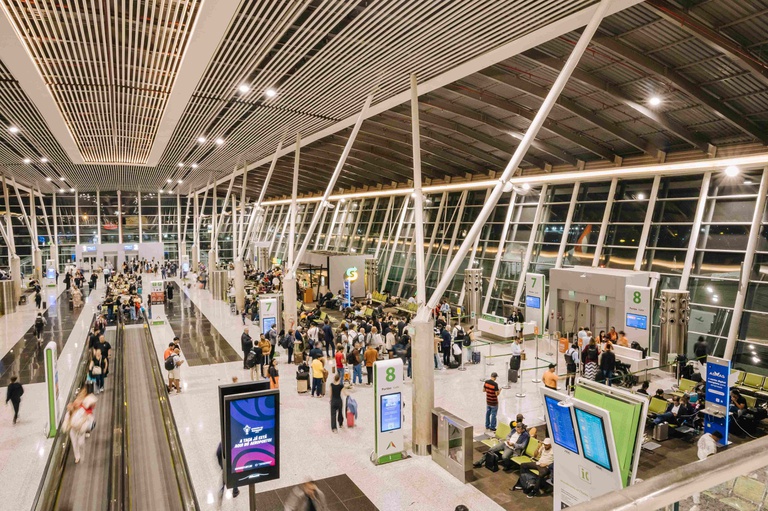
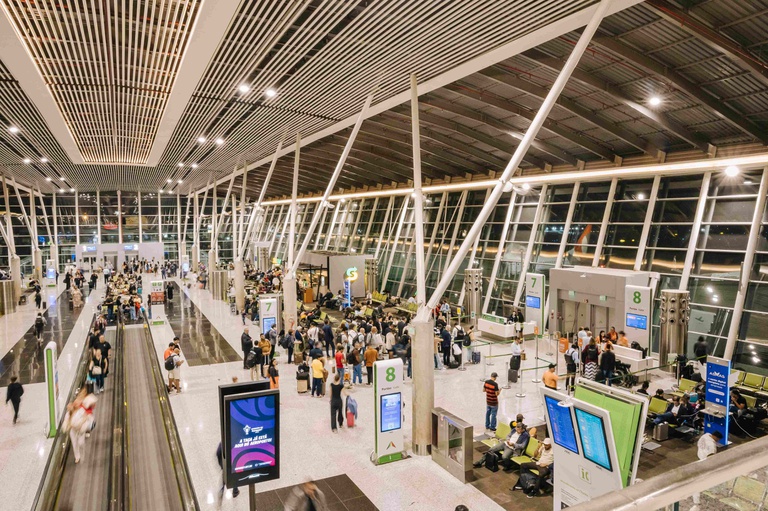
The Central-West registered 7,818,046 passengers in February 2026, an increase of 8% compared to the same month in 2025, according to ANAC data consolidated by the Ministry of Ports and Airports on April 6. In a market increasingly sensitive to time and connection, the regional analysis shows that growth is distributed between the large hub of Brasília and airports with a more specialized economic profile.
Brasília concentrated 1,239,923 passengers in the period, equivalent to around 67% of the regional movement analyzed. This weight confirms the terminal's role as a national and international redistribution node. When a hub of this scale grows, the effect spreads to corporate scheduling, short-term connections and total travel costs across the region.
From the national hub to the productive interior
What differentiates this cycle is the edge of the network. Goiânia reached 267,127 passengers and broke a record for February, with an increase of 14.42%. Sinop also registered a record for the month, with 36,481 passengers and growth of 13.5%. It's not just about more passengers: it's about a region expanding its capacity to connect capital, service hubs and agribusiness borders on a more regular basis.
In the case of Sinop, the expansion of the runway from 1,630 to 2,000 meters, associated with investments of R$35 million in operational infrastructure, increases predictability for operators who need a reliable window in markets with high production intensity. This type of improvement tends to reduce practical mission limitations and improve the quality of inland flight planning.
Why this matters for executive mobility
For those who use aircraft as a tool for scheduling and accessing business, the message is objective: the Central-West is less dependent on improvised solutions and more prepared to operate with network logic. This opens up space to design journeys with fewer unnecessary stopovers and less vulnerability to last-minute bottlenecks.
At the same time, growth in demand requires greater discipline in planning. With more flights and greater use of infrastructure, the difference between smooth operation and expensive operation is slot advance, ground coordination and intelligent choice of alternative airports.
In 2026, the Center-West will no longer be just a transit route and will consolidate itself as a strategic connection platform for business decisions in Brazil.
Mais notícias
Uma seleção editorial para aprofundar tendências, certificações, defesa aérea e movimentações do mercado executivo.
Aeronaves citadas
Modelos mencionados nesta matéria para aprofundar comparações de cabine, autonomia e posicionamento no mercado.