Céu Executivo Notícias
F-35 breaks record and maintains pressure on air power agenda
By ending 2025 with record deliveries, the F-35 reinforced that it remains at the center of the Western military agenda. The program advances in scale, but also increases pressure on production, software, global maintenance and countries' ability to absorb an increasingly data-dependent platform.
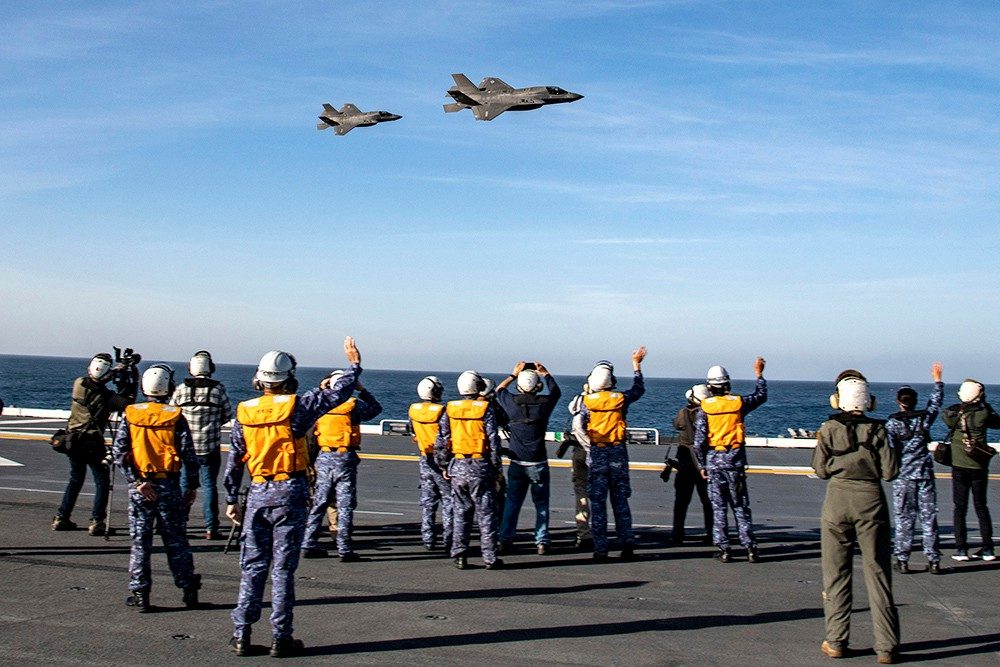
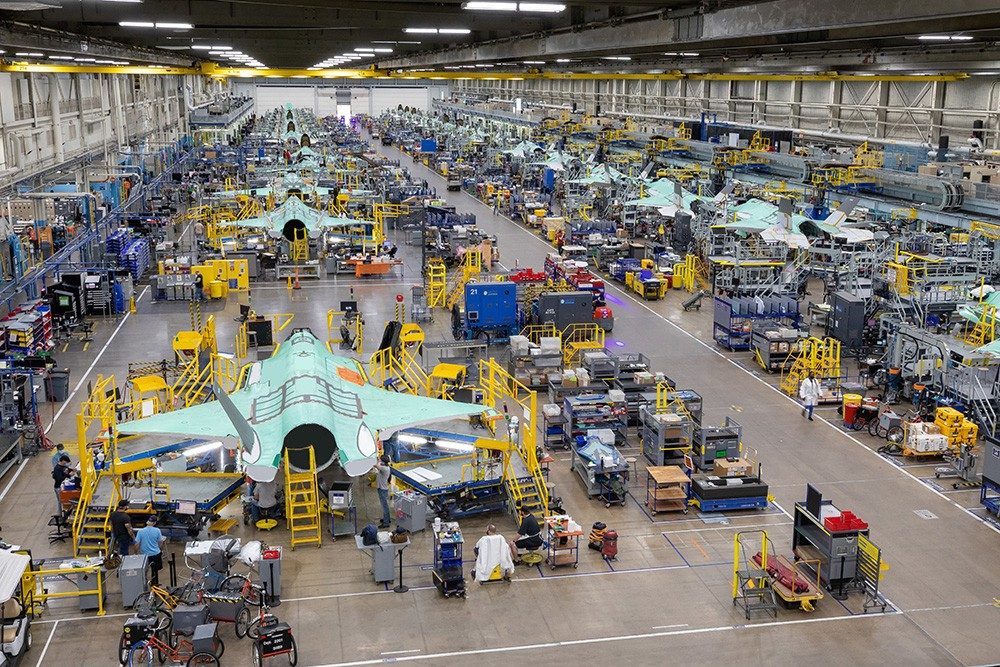
The F-35 closed 2025 with record deliveries and reaffirmed its position as the central axis of combat aviation for United States allies. The data matters less as an industrial trophy and more as a sign of scale. The more aircraft enter service, the greater the program's influence on budgeting, logistics, training and airpower planning in several countries at the same time.
The record also exposes the nature of the F-35 itself. This is not just a fighter being produced in large numbers, but a platform whose relevance depends on software, sensor integration, continuous updating and an international support chain. Producing more is important. Sustaining this fleet in service is even more challenging.
Scale increases influence and friction
As the program grows, so does the pressure on the industrial chain. Engines, components, electronic systems, maintenance centers, personnel training and software updates begin to operate under greater scrutiny. A large fleet increases the potential operational advantage, but also makes any bottlenecks more expensive and more visible.
This is a relevant point beyond defense. The F-35 helps show how 21st century high-performance aviation depends less on the isolated platform and more on the ecosystem that keeps it ready. In civil language, availability becomes a matter for councils, not just hangars.
The program continues to lead the discussion
At the same time, the advance of the F-35 maintains pressure on competitors, allies and even other classes of military platforms. The program raised the standard of integration and situational awareness, forcing the market to discuss less the aircraft alone and more the connected warfare architecture in which it fits.
That's why the delivery record has strategic weight. He doesn't just talk about successful production. It speaks of a program that continues to shape priorities, require industrial adaptation and define much of the airpower conversation for the next decade.
Mais notícias
Uma seleção editorial para aprofundar tendências, certificações, defesa aérea e movimentações do mercado executivo.


Aeronaves citadas
Modelos mencionados nesta matéria para aprofundar comparações de cabine, autonomia e posicionamento no mercado.