Céu Executivo Notícias
F-35 closes 2025 with record deliveries and new pressure on the chain
Record F-35 deliveries in 2025 reinforce the scale of the program, but also expose an inevitable effect: the larger the fleet, the greater the pressure on engines, software, logistics, maintenance and training. At the heart of the story is less isolated production and more the ability to sustain the entire system.
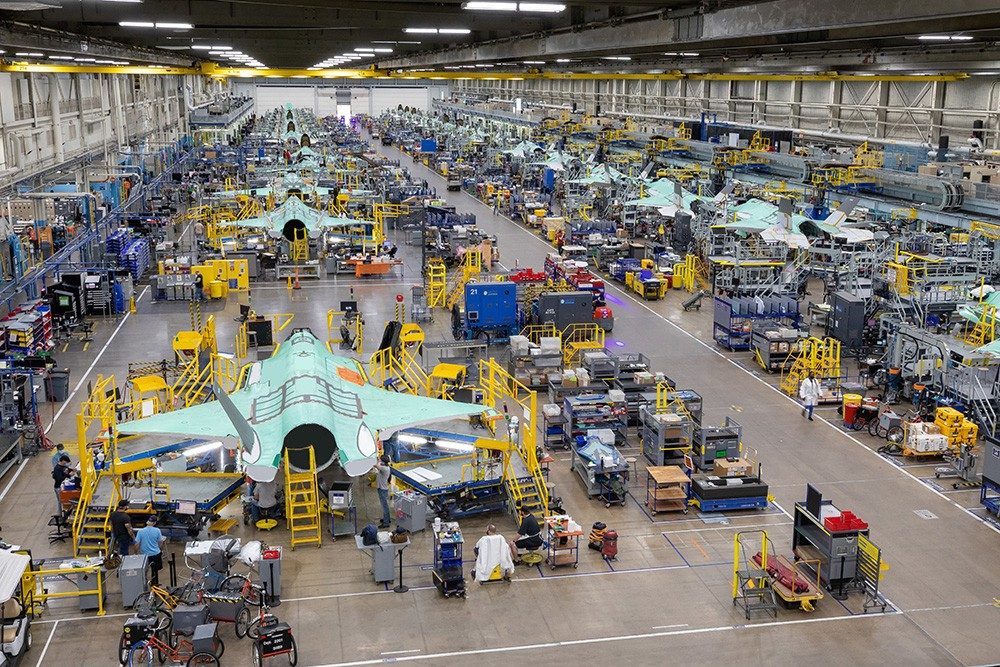
The F-35 closed 2025 with record deliveries, further consolidating its centrality in Western combat aviation. The data is impressive, but it carries an inevitable consequence: each new aircraft delivered increases the pressure on an already complex chain of engines, software, training, updating and global maintenance.
Programs of this scale cannot be evaluated solely by the number of planes produced. The decisive point is transforming deliveries into real availability. The more the fleet grows, the greater the demand on workshops, suppliers, support centers and the ability to keep the aircraft ready in very different environments.
Producing more is the beginning, not the end
This is why the 2025 record needs to be read with analytical caution. It signals industrial strength and political continuity, but it also magnifies the size of the logistical challenge. Parts, engines, software updates and personnel qualification are no longer a behind-the-scenes topic and have become a central topic for countries that already operate or intend to operate the platform.
There is also the effect on the supply chain. Every delivery acceleration puts pressure on suppliers to maintain pace, quality and predictability in a program whose complexity is already high in nature. In technology-intensive defense systems, a small bottleneck can quickly spread across the fleet.
Scale redefines the readiness conversation
Ultimately, the delivery record shows that the F-35 continues to advance, but also that its success increases the responsibility of the ecosystem that supports it. The more countries receive the plane, the less tolerable any mismatch between production and support becomes.
That's why the close of 2025 deserves attention. He reinforces the program's position, but warns that the next stage of the dispute will not just be about who receives the fighter, but who can effectively keep it ready.
Mais notícias
Uma seleção editorial para aprofundar tendências, certificações, defesa aérea e movimentações do mercado executivo.


Aeronaves citadas
Modelos mencionados nesta matéria para aprofundar comparações de cabine, autonomia e posicionamento no mercado.