Céu Executivo Notícias
NATO debate on air alert reopens dispute between platform classes
The NATO discussion on air warning brings back to the fore an old strategic question with new contours: which class of platform provides the best balance between range, persistence, cost and sensor integration. The answer has become less obvious as smaller jets and networked solutions have gained ground.
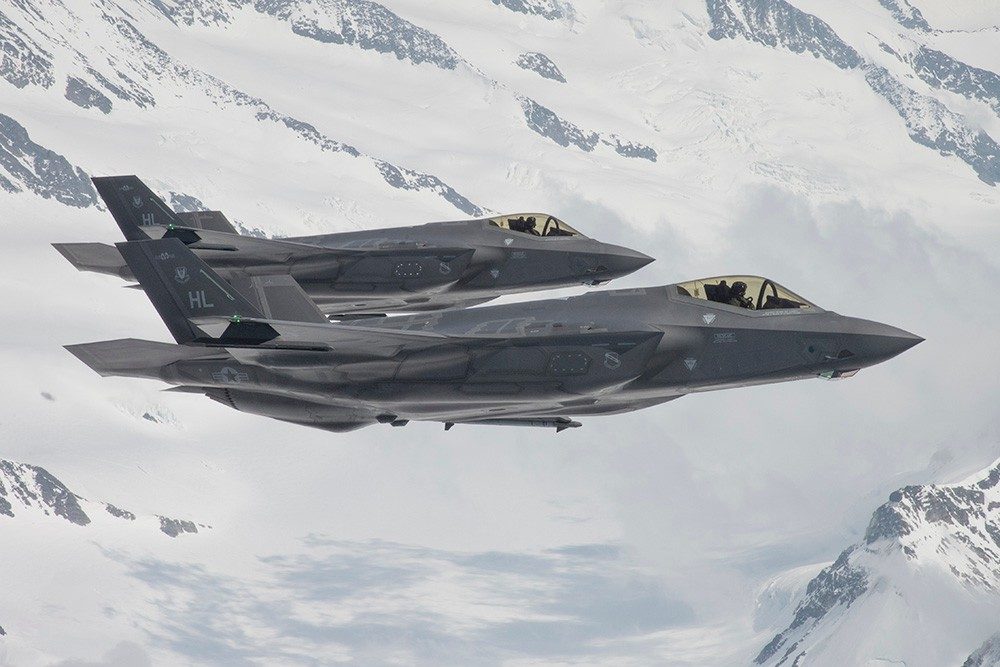
The NATO debate on air warning reopens an important dispute between platform classes because the problem can no longer be resolved with the same premises as decades ago. The mission continues to require range, persistence and a broad view of the airspace, but now it also needs to deal with cost, speed of deployment, connectivity and integration with a more distributed sensor architecture.
This puts large, traditional airborne warning aircraft in comparison with solutions based on smaller, more agile or more economical platforms. The central question is not just who sees further, but who offers the best balance between capacity, life cycle cost and adaptation to the contemporary way of operating in a network.
The debate changed because the war changed
In a more connected environment, part of the value of aerial alerting migrates from the size of the platform to the quality of the integration. If sensors, communications and software can better distribute information, this opens up space for architectures that are less dependent on a single, very large aircraft. This doesn't eliminate the classic platforms, but it changes the basis of comparison.
The budget factor also matters. European countries need to rebuild capabilities, but with pressure for efficiency and speed of delivery. In this scenario, smaller platforms or those adapted from existing aircraft gain appeal because they promise faster entry into service and potentially less costly operation.
It's not just a fight between planes and planes
The most relevant thing is that the discussion is no longer purely aerodynamic. It became a debate about the system. The platform matters, but it matters depending on the network in which it will be inserted, the support it will require and the flexibility it will offer the operator.
That's why the NATO conversation is so interesting. It shows how the value of a special mission aircraft is being reassessed based on a broader logic, in which different platform classes are once again competing with new arguments.
Mais notícias
Uma seleção editorial para aprofundar tendências, certificações, defesa aérea e movimentações do mercado executivo.